
Acquiring a new customer costs five times more than keeping an existing one. Yet, many businesses pour their budgets into a leaky bucket, constantly chasing new leads while hard-won customers quietly slip away. This isn’t just about plugging leaks; it’s about transforming your business into a retention-powered growth machine. Shifting focus from acquisition-at-all-costs to nurturing existing relationships creates a sustainable, profitable foundation for your brand.
This guide moves beyond generic advice to deliver 10 proven, actionable customer retention best practices. We will break down the exact ‘how-to’ for each strategy, complete with practical implementation steps, real-world examples, and the key metrics you need to track. Whether you run an e-commerce store, a SaaS platform, or a digital agency, these tactics are designed for immediate impact. To truly harness retention as a growth engine, you must continually boost your ecommerce customer retention strategies.
Forget abstract theory. This is your playbook for building lasting customer relationships, increasing lifetime value (LTV), and fostering a loyal community that becomes your most powerful marketing asset. You’ll learn how to:
- Personalize communication at scale to make every customer feel seen.
- Automate support to provide instant, 24/7 solutions.
- Segment your audience for hyper-relevant, high-impact campaigns.
- Build loyalty through rewards that create genuine connection.
Let’s dive into the strategies you can implement today to stop churn and start growing smarter.
1. Personalize Every Conversation
Personalized conversational messaging goes beyond using a customer’s first name in an email. It’s about delivering customized, automated messages through AI that adapt to individual behavior, preferences, and purchase history. This approach turns generic broadcasts into relevant, timely conversations on platforms like Messenger, Instagram DMs, and WhatsApp, making customers feel truly valued.
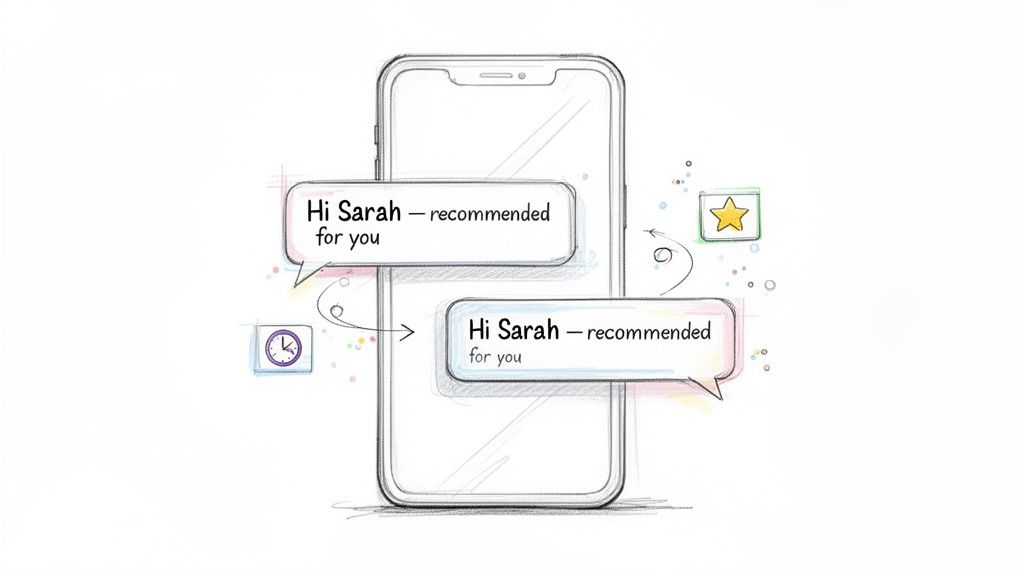
Mobile Recommendations
This is one of the most effective customer retention best practices because it transforms a transactional relationship into a relational one. Instead of just selling, you’re providing ongoing value. For example, a subscription box service can send tailored product suggestions based on a user’s previous orders, turning a simple purchase into a curated experience.
How to Implement Personalized Messaging
Start with Post-Purchase Flows: The easiest entry point is the post-purchase experience. Use an automation tool like Clepher to trigger a message sequence after a customer buys something. This is a golden opportunity to build a connection.
- Actionable Template Idea:
- Day 1 (Order Confirmation): “Hey {first_name}, thank you for your order! We’re already getting it ready. You can track it here: {order_link}.”
- Day 7 (Value Add): “Hi {first_name}! Hope you’re loving your new {product_name}. Here’s a quick tip to get the most out of it: [Link to Blog/Video].”
- Day 21 (Smart Re-engagement): “It’s been a few weeks, {first_name}. We’ve just added new items we think you’ll love based on your interest in {product_category}.”
Segment Your Audience: Don’t send the same message to everyone. Group customers by lifecycle stage (new, loyal, at-risk) or purchase history. For instance, an at-risk customer might receive a special “we miss you” offer, while a loyal customer gets early access to new products.
Key Metrics to Track
- Click-Through Rate (CTR): Are users engaging with the links in your messages?
- Conversion Rate: Are these personalized conversations leading to repeat purchases?
- Customer Lifetime Value (CLV): How does personalized engagement impact long-term spending?
2. Offer Proactive Support with AI Chatbots
Proactive customer support uses AI-powered chatbots to anticipate customer needs and provide instant solutions before frustration sets in. Instead of forcing customers to hunt for answers, this strategy brings the solutions directly to them, 24/7. By handling common questions and troubleshooting issues instantly, you dramatically reduce friction and prevent churn caused by slow support.

Bot Support
This is a powerful retention practice because it shows you value your customers’ time. A SaaS company like Intercom uses its own AI to guide new users through setup, resolving potential issues before they become support tickets. This turns support from a reactive cost center into a proactive retention tool.
How to Implement Proactive AI Support
Turn Your FAQ into an Interactive Bot: The most straightforward way to begin is by converting your frequently asked questions into an interactive chatbot flow. Start by identifying the top 5-10 questions your support team receives.
- Actionable Template Idea:
- Greeting: “Hi {first_name}! I’m the AI assistant for {Your_Brand}. How can I help you today? You can ask about order tracking, returns, or product info.”
- Keyword Trigger (e.g., “track order”): “I can help with that! Just enter your order number, and I’ll find its current status for you.”
- Smart Escalation: “It looks like that’s a tricky one. Would you like me to connect you with a human agent who can assist you further?”
Analyze Conversations for Improvement: Regularly review chat transcripts to find common questions your bot can’t answer. Use these insights to expand its knowledge base and improve its conversational flows. This iterative process constantly makes your support smarter and more effective.
Key Metrics to Track
- Resolution Rate: What percentage of inquiries does the bot resolve without human help?
- Customer Satisfaction (CSAT) Score: How satisfied are customers with their bot interaction?
- Ticket Escalation Rate: How often do users need to be transferred to a live agent?
3. Segment for Hyper-Targeted Campaigns
Segmentation is the practice of organizing your customer base into distinct groups based on shared traits like behavior, purchase history, or engagement level. This allows you to stop sending one-size-fits-all messages and start delivering targeted campaigns that resonate with each group’s specific needs. The result is dramatically improved performance and stronger customer connections.
This is a fundamental retention practice because relevance drives results. When a message feels like it was created just for them, a customer is far more likely to engage. For example, a SaaS company could segment users by feature adoption, sending advanced tips to power users and introductory guides to new sign-ups. This ensures everyone gets maximum value from the platform.
How to Implement Segmentation
Identify High-Impact Customer Groups: Start simple. Define a few key segments you can act on, like “New Customers,” “VIPs,” and “At-Risk Customers.” You can explore more advanced customer segmentation strategies as you grow.
- Actionable Template Idea (for an ‘At-Risk’ segment):
- Day 45 (Post-Last Purchase): Trigger a gentle check-in. “Hey {first_name}, it’s been a while! We miss you. Here’s 15% off to welcome you back: WELCOME15.”
- Day 60: Send a value-driven message, not just a sale. “Hi {first_name}, thought you might like our new guide on {topic_related_to_last_purchase}. Check it out here: [Link].”
- Day 75: Send a final, compelling offer or a feedback request. “We’d love to know what we can do better. Was there anything we could improve? Your feedback means the world.”
Leverage RFM Analysis: Use Recency, Frequency, and Monetary (RFM) analysis to identify your most valuable customers. Create a “VIP” segment for this group and shower them with exclusive perks, early access, and personalized thank-you messages to nurture that loyalty.
Key Metrics to Track
- Engagement Rate per Segment: Which groups are most responsive to your messaging?
- Segment Conversion Rate: Are certain segments driving more repeat purchases?
- Customer Churn Rate: Is segmentation reducing the number of customers who become inactive?
4. Launch a Loyalty Program That Rewards
Loyalty and rewards programs create structured incentives that reward customers for repeat purchases and engagement. This strategy gamifies the customer experience by offering tangible value—like points, exclusive discounts, or early access to new products. By formally recognizing and rewarding loyalty, you build stronger emotional connections that directly increase customer lifetime value.
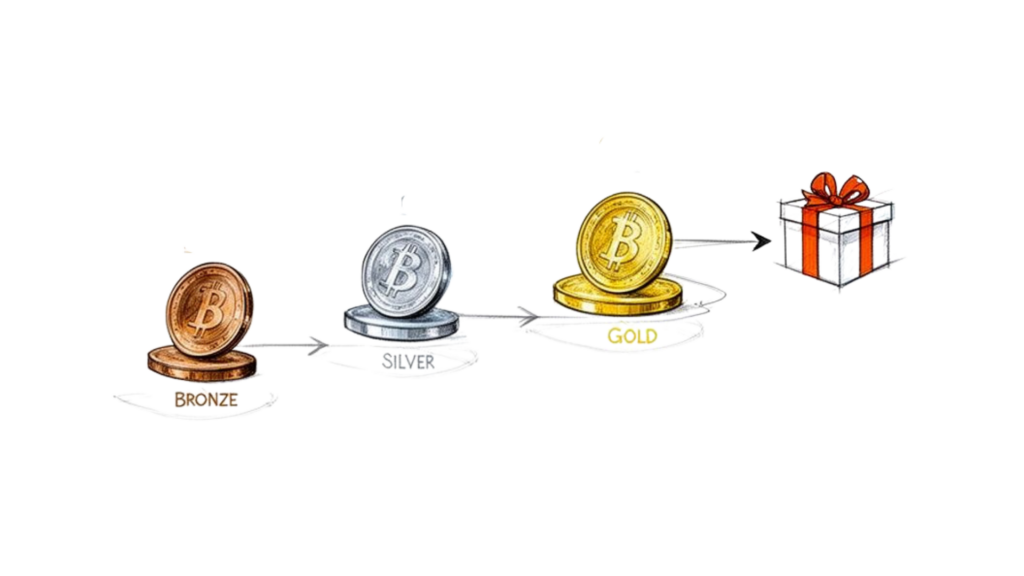
Loyalty Programs
This practice transforms customer behavior from transactional to habitual. Instead of just making a purchase, customers are motivated to interact with your brand to earn the next reward. Think of Starbucks Rewards or Sephora’s VIB program—they make retention an active, engaging process.
How to Implement a Loyalty Program
Automate Reward Notifications: Use automation to keep your program top-of-mind. Conversational AI is perfect for sending timely, personalized updates that drive action. You can discover more about the benefits of customer loyalty programs and how to implement them in your business to get started.
- Actionable Template Idea:
- Points Update: “Great news, {first_name}! Your recent purchase just earned you {points_earned} points. You now have a total of {total_points}.”
- Reward Unlocked: “You did it, {first_name}! You’ve unlocked the {reward_name}. Use this code at checkout to claim it: {unique_code}.”
- Tier Upgrade: “Welcome to the next level! As a new Gold Member, you now get perks like free shipping on all orders. Check out your new benefits: {link}.”
Create Tier-Based Exclusivity: A tiered system motivates customers to spend more to reach the next level. Reserve your best perks for your most loyal customers and use targeted messaging to show others what they’re missing, encouraging them to climb the ladder.
Key Metrics to Track
- Repeat Purchase Rate: Are program members buying more often?
- Customer Engagement Rate: Are members actively earning and redeeming points?
- Redemption Rate: What percentage of earned rewards are being used? This shows the true value of your offers.
5. Execute Smart Win-Back Campaigns
Win-back campaigns are targeted efforts designed to re-engage customers who have become inactive. This strategy uses data on purchase recency and engagement to identify lapsed customers and deliver compelling incentives to bring them back. It’s about turning potential losses into renewed revenue.
This is one of the most cost-effective retention practices because it’s far cheaper to reactivate an old customer than to acquire a new one. Instead of letting a relationship fade, you proactively intervene. Think of Netflix’s classic “We miss you” emails or an e-commerce store sending a “Come back and save 15%” coupon to shoppers who haven’t purchased in 90 days.
How to Implement Win-Back Campaigns
Define Your “Inactive” Trigger: First, decide what “inactive” means for your business. For an apparel brand, it could be 90 days without a purchase. Once defined, you can automate a campaign to trigger when a customer meets this criterion.
- Actionable Template Idea:
- Day 90 (Gentle Nudge): “Hey {first_name}, it’s been a while! We’ve missed having you. Here’s a little something to welcome you back: 10% off your next order.”
- Day 120 (Stronger Incentive): “Hi {first_name}, we’re sad to see you go. Here’s 20% off your next purchase, on us. This offer expires in 3 days!”
- Day 180 (Feedback Request): “Is this goodbye, {first_name}? If we can’t tempt you back, could you tell us why you left? Your feedback helps us improve: [Survey Link].”
Segment Lapsed Customers: Not all inactive customers are equal. Segment them by their past lifetime value. Prioritize your efforts on winning back high-value customers who used to be frequent buyers, as their return will generate the highest ROI.
Key Metrics to Track
- Win-Back Rate: What percentage of targeted customers make a repeat purchase?
- Average Order Value (AOV) of Reactivated Customers: Are they spending more or less than before?
- Post-Reactivation Purchase Frequency: Do they become loyal customers again or just make one purchase?
6. Provide Value with Educational Content
Value-based marketing shifts the focus from constant selling to consistently providing helpful information. This strategy establishes your brand as a trusted authority by delivering guides, tutorials, and insights that help customers succeed with your product. You’re not just making a sale; you’re investing in your customer’s long-term success, which builds deep-seated loyalty.
This practice makes your brand indispensable. When customers see you as a source of valuable knowledge, they’re far more likely to stick around. Think of HubSpot’s free marketing courses that empower their users or Notion’s extensive template library that helps users organize their lives—making the tool incredibly sticky.
How to Implement Educational Content
Automate Value Delivery at Key Moments: Use automation to deliver the right content when it’s most relevant. Trigger messages during onboarding, after a purchase, or when a user tries a new feature.
- Actionable Template Idea:
- Onboarding: “Welcome, {first_name}! To help you get started, here’s a 2-minute video on mastering our key feature: {video_link}.”
- Post-Purchase (Complex Product): “Hi {first_name}, now that you’ve had your {product_name} for a week, check out this advanced tip to unlock its full potential: {guide_link}.”
- Proactive Help: “Hey {first_name}, we noticed you haven’t used {feature_name} yet. It’s a game-changer! Here’s a quick tutorial: {link}.”
Segment Content by User Expertise: Send beginner tips to new users and advanced strategies to power users. An automation tool like Clepher can help tag users based on their interactions to ensure they receive the most appropriate content.
Key Metrics to Track
- Content Engagement Rate: Are customers actually consuming your educational materials?
- Product Adoption Rate: Does consuming educational content lead to users trying more features?
- Churn Rate by Content Consumption: Do customers who engage with your content have a lower churn rate?
7. Actively Collect and Implement Feedback
Proactive feedback collection involves systematically gathering customer insights through surveys and conversations, then visibly implementing changes based on that input. This strategy goes beyond just listening; it closes the loop by showing customers their opinions directly shape your product. When people see that their feedback leads to tangible improvements, they feel respected and invested in your brand.
This practice builds immense trust and transforms customers into co-creators. Instead of guessing what users want, you create a direct line to their needs. Think of how Slack constantly releases features based on user requests.
How to Implement Proactive Feedback
Automate Feedback Requests at Key Moments: Use customer actions as triggers for feedback requests. The context is fresh, and response rates are higher. A tool like Clepher can automate these messages across conversational channels.
- Actionable Template Idea:
- Post-Support Interaction: “Hi {first_name}, how was your chat with our support team? Rate your experience from 1-5 to help us improve.”
- After First Product Use: “Hey {first_name}, now that you’ve had a chance to try {product_name}, what’s one thing you’d change? We’re all ears!”
- After Subscription Cancellation: “Sorry to see you go. Could you share the primary reason for canceling? Your feedback is crucial for us.”
Close the Loop and Announce Changes: Act on the feedback you receive and let customers know. Create a public changelog or send a “What’s New” email detailing updates driven by their suggestions. For high-impact feedback, reach out to the individual customer directly to thank them and show them the change they inspired.
Key Metrics to Track
- Net Promoter Score (NPS): Is customer sentiment improving over time?
- Response Rate: Are customers engaging with your feedback requests?
- Feature Adoption Rate: Are customers using the new features they asked for?
8. Build an Exclusive VIP Community
Exclusive communities and VIP programs transform your best customers into brand advocates by making them feel special. This strategy involves creating members-only spaces like private Discord channels or exclusive Facebook groups that offer unique perks, such as early access to products, special events, or direct consultations.
This practice builds deep emotional bonds. Instead of just a transaction, customers gain a sense of belonging and status. Peloton’s vibrant member community and live leaderboards create an environment where customers are invested far beyond the product itself.
How to Implement an Exclusive Community
Identify and Invite Your VIPs: Start by segmenting your most valuable customers. Use a tool like Clepher to identify users based on purchase frequency or lifetime value. Then, send them a personalized invitation to join your exclusive community.
- Actionable Template Idea:
- Initial Invite (DM): “Hi {first_name}, because you’re one of our top customers, we’d like to invite you to our exclusive VIP Club! You’ll get early access to new drops and special discounts. Interested?”
- Welcome Message: “Welcome to the inner circle, {first_name}! We’re thrilled to have you. As a thank you, here’s your first perk: 20% off your next order with code VIP20.”
- Ongoing Engagement: “VIP Alert! Our new collection drops next week, but you get to shop it 48 hours before anyone else. Here’s your private link: {exclusive_link}.”
Provide Tangible, Exclusive Value: A VIP program is only as good as its perks. Consistently offer exclusive content, access, or recognition that isn’t available to the general public. Use your community as a feedback channel for new product ideas, making members feel like true insiders.
Key Metrics to Track
- Member Engagement Rate: How active are members in your exclusive community?
- Repeat Purchase Rate of VIPs: Are members of the community buying more frequently than non-members?
- Churn Rate Reduction: Compare the churn rate of VIP members to your overall customer churn rate.
9. Automate Onboarding for Early Success
Automated onboarding creates guided sequences that help new customers succeed quickly with your product. Instead of leaving users to figure things out on their own, this practice systematically reduces their time-to-value, improves product adoption, and proactively prevents early churn. It includes welcome messages, setup guidance, and milestone celebrations to build momentum.
This is a critical retention practice for SaaS and complex products because it sets the foundation for long-term success. A customer who gets results from day one is far more likely to stay. Think of Asana’s guided project setup for new teams or Duolingo’s streak-based system that immediately forms a learning habit.
How to Implement Automated Onboarding
Map Out Key “Aha!” Moments: Identify the core actions a user must take to experience your product’s value. Build your onboarding flow around guiding them to these moments as efficiently as possible.
- Actionable Template Idea (for a SaaS product):
- Welcome Message: “Hi {first_name}, welcome to [Product]! Your first step is to create your first project. Let’s do it together in under 2 minutes: [Link].”
- First Action Nudge: “Great job creating your project! The next step is inviting a team member to collaborate. Teamwork makes the dream work: [Link].”
- Milestone Celebration: “Woohoo, {first_name}! You just completed your first task. You’re officially on your way to becoming a productivity pro. Here’s a quick tip on using our advanced filters: [Link].”
Personalize Onboarding Paths: Use conditional logic to create different onboarding experiences based on user goals. An agency owner using a marketing tool needs a different path than a freelance creator. This ensures the guidance is always relevant.
Key Metrics to Track
- Time-to-Value (TTV): How quickly do new users reach their first “aha!” moment?
- Onboarding Completion Rate: What percentage of new users finish the entire sequence?
- Feature Adoption Rate: Are users engaging with the key features introduced during onboarding?
10. Engage Customers on Their Preferred Channels
An omnichannel presence means meeting customers where they are by maintaining a seamless and unified brand experience across all platforms they use, like Messenger, WhatsApp, Instagram DMs, and email. This approach ensures a conversation can start on one channel and continue on another without losing context, creating a single, cohesive customer journey.
This practice removes friction and respects customer preferences. Instead of forcing users into a single communication channel, you empower them to interact on their own terms. Think of how Warby Parker allows you to start a query on web chat and finish it in a physical store, with all representatives having the full context. That’s the kind of frictionless experience that builds loyalty.
How to Implement Omnichannel Engagement
Unify Your Conversational Channels: The first step is to bring your primary messaging channels into one unified inbox. Using a tool like Clepher allows you to manage conversations from Messenger, Instagram, and WhatsApp in a single place, ensuring your team provides consistent answers and maintains conversation history.
- Actionable Template Idea:
- Onboarding Preference: During sign-up, ask: “How would you like to receive updates from us? Choose your favorite: Messenger, Email, or SMS.”
- Cross-Channel Update: Send an order confirmation via email, then use a messaging app for real-time shipping updates. “Hi {first_name}, great news! Your package is out for delivery. We sent the full tracking details to your email.”
- Channel-Switching Offer: If a user is unresponsive on email, trigger a message on another channel. “Hey {first_name}, we sent you an exclusive 20% off offer via email last week. In case you missed it, here it is again!”
Map the Customer Journey: Identify key touchpoints where customers interact with your brand (e.g., cart abandonment, post-purchase) and ensure a consistent, contextual response is available on every channel. This creates a truly seamless experience.
Key Metrics to Track
- Channel Engagement Rate: Which channels are your customers most responsive on?
- Customer Effort Score (CES): How easy is it for customers to get help, regardless of the channel?
- First Contact Resolution (FCR): Are you able to solve issues during the first interaction, even if they switch channels?
10-Point Customer Retention Best Practices Comparison
| Strategy | 🔄 Implementation Complexity | ⚡ Resource Requirements | 📊 Expected Outcomes | 💡 Ideal Use Cases | ⭐ Key Advantages |
|---|---|---|---|---|---|
| Personalized Conversational Messaging | 🔄 Medium — data integration + flow design | ⚡ Moderate — CRM, AI/NLP, multi-channel setup | 📊 ↑ engagement & retention; ⭐⭐⭐⭐ | 💡 E‑commerce personalization, lifecycle messaging | ⭐ Highly relevant, scalable 24/7 |
| Proactive Customer Support via AI Chatbots | 🔄 Medium–High — NLU, KB, escalation paths | ⚡ Moderate–High — AI training, support ops | 📊 Faster responses, lower wait times; ⭐⭐⭐⭐ | 💡 High‑volume support, order/tracking issues | ⭐ Scales support; frees human agents |
| Segmentation and Targeted Messaging Campaigns | 🔄 Medium — segmentation logic & upkeep | ⚡ Moderate — data & analytics tooling | 📊 ↑ conversion & ROI; ⭐⭐⭐⭐ | 💡 Campaign optimization, lifecycle targeting | ⭐ More relevant messaging; improved ROI |
| Loyalty and Rewards Programs | 🔄 Medium — program design & tracking | ⚡ Moderate–High — incentives budget + platform | 📊 ↑ repeat purchases & LTV; ⭐⭐⭐⭐ | 💡 Retail, subscriptions, frequent buyers | ⭐ Drives repeat purchases & referrals |
| Win-Back Campaigns for At-Risk Customers | 🔄 Low–Medium — detection + re-engagement flows | ⚡ Moderate — incentive costs + automation | 📊 Cost-effective recovery (5–10% recoverable); ⭐⭐⭐ | 💡 Lapsed customers, inactivity re‑engagement | ⭐ Cheaper than new acquisition |
| Educational Content and Value-Based Marketing | 🔄 Low–Medium — content planning & delivery | ⚡ Moderate — content creators & distribution | 📊 Long-term retention & adoption; ⭐⭐⭐⭐ | 💡 SaaS onboarding, product adoption, thought leadership | ⭐ Builds trust and reduces support demand |
| Proactive Feedback Collection and Action | 🔄 Low — survey flows & action logging | ⚡ Low–Moderate — analytics & ops | 📊 Actionable insights; early churn detection; ⭐⭐⭐ | 💡 Product improvement, customer experience ops | ⭐ Direct input to improve product & retention |
| Exclusive Community and VIP Experiences | 🔄 Medium–High — community setup & moderation | ⚡ High — community managers, events, perks | 📊 Strong loyalty & advocacy; ⭐⭐⭐⭐ | 💡 High‑value customers, brand evangelists | ⭐ Creates network effects and deep loyalty |
| Automated Onboarding and Success Paths | 🔄 Medium — multi-step flows & milestone tracking | ⚡ Moderate — content + conditional logic | 📊 Reduced early churn; faster time‑to‑value; ⭐⭐⭐⭐ | 💡 New user activation, complex product adoption | ⭐ Boosts adoption and initial retention |
| Consistent Multi-Channel Engagement and Omnichannel Presence | 🔄 High — integrations, sync, governance | ⚡ High — platform integrations & analytics | 📊 Improved reach & unified CX; ⭐⭐⭐⭐ | 💡 Brands with diverse touchpoints (app, SMS, chat) | ⭐ Seamless experience across channels |
From Theory to Transformation: Your Next Steps
We’ve covered ten powerful customer retention best practices, moving from high-level concepts to tangible, implementation-ready blueprints. You now have a toolkit for the modern digital landscape, covering everything from Personalized Conversational Messaging and Proactive AI Support to building Exclusive Communities and executing targeted Win-Back Campaigns.
The goal isn’t to implement all ten overnight. True transformation lies in strategic, incremental action. The most successful brands don’t just collect tactics; they build an integrated system where each practice reinforces the others, creating a seamless customer experience that fosters deep, lasting loyalty.
Core Principles of Modern Retention
If you take away just a few ideas, let them be these:
- Be Proactive, Not Reactive: The best retention strategies anticipate needs with proactive support, deliver value with educational content, and identify at-risk segments before they churn. Don’t wait for a customer to complain or leave.
- Personalization is Non-Negotiable: Generic, one-size-fits-all communication no longer works. Use segmentation, targeted messaging, and AI-powered conversations to make every customer feel seen and understood.
- Value is the Ultimate Currency: Discounts are temporary. Lasting loyalty is built on a foundation of consistent value, whether through exceptional support, insightful educational content, or exclusive access that makes customers feel like insiders.
These principles are the common thread weaving through all the customer retention best practices we’ve discussed. They represent a fundamental shift from a transactional mindset to a relational one.
Your Actionable Roadmap to Higher Retention
Mastering customer retention is a journey. The key is to start now with a single, focused initiative. Don’t get paralyzed by trying to perfect everything at once. Instead, identify your biggest “leaky bucket” and choose one practice from this list to fix it.
Here’s a simple framework to guide your next steps:
- Identify Your Biggest Challenge: Is your primary issue poor initial onboarding? Are you losing customers after their first purchase? Pinpoint the most critical drop-off point in your customer lifecycle.
- Select a Corresponding Strategy: Match your challenge to one of the practices in this article.
- Problem: High churn for new SaaS users. Solution: Implement an Automated Onboarding and Success Path (#9).
- Problem: Low repeat purchase rate. Solution: Launch a tiered Loyalty and Rewards Program (#4).
- Problem: Customers are leaving without giving feedback. Solution: Deploy Proactive Feedback Collection via AI chatbots (#7).
- Set a Clear, Measurable Goal: Define what success looks like. For example, “Reduce first-month churn by 15% within the next quarter” or “Increase our repeat customer rate from 20% to 25% in 60 days.”
- Implement, Measure, Iterate: Deploy your chosen strategy. Use the key metrics we outlined to track its performance. Analyze the data, gather feedback, and refine your approach for continuous improvement.
By adopting this focused process, you transform abstract knowledge into tangible business results. You create a cycle of learning and optimization that steadily strengthens your customer relationships and builds a more resilient, profitable business. This commitment to implementing proven customer retention best practices is what separates thriving brands from those that merely survive.
Conclusion
Implementing proven customer retention strategies improves customer retention rate and helps retain customers by focusing on the entire customer lifecycle—from winning an existing customer to fostering long-term customer relationships. By using customer data and measuring customer interactions, businesses can reduce customer churn and increase customer retention through targeted customer retention tactics and customer retention programs that keep customers coming back. Prioritizing customer feedback, meeting customer expectations, and improving the overall customer experience are practical ways to enhance customer loyalty and build a loyal customer base.
These strategies not only improve customer retention and enhance customer satisfaction and loyalty but also reduce customer acquisition costs by emphasizing client retention over constant customer acquisition. To sustain results, calculate your customer retention rate regularly, measure customer retention with clear KPIs, and adopt top customer retention and customer retention strategies for 2026 so you can improve customer lifetime value, keep customers engaged, and create a great customer experience that turns satisfied buyers into long-term customers and loyal advocates.
Ready to turn these best practices into automated, revenue-driving workflows? Clepher provides the AI-powered conversational marketing platform to implement personalized messaging, proactive support, and targeted campaigns across all the channels your customers use. Start building unbreakable customer loyalty and watch your retention rates soar by exploring what Clepher can do for your business today.
Related Posts
How to Create Email Lists in Gmail (The Right Way)
March 21, 2026Create a Group Email List in Gmail the Right Way
March 20, 202610 Actionable Lead Scoring Best Practices for 2026
March 19, 2026
Founder Clepher