
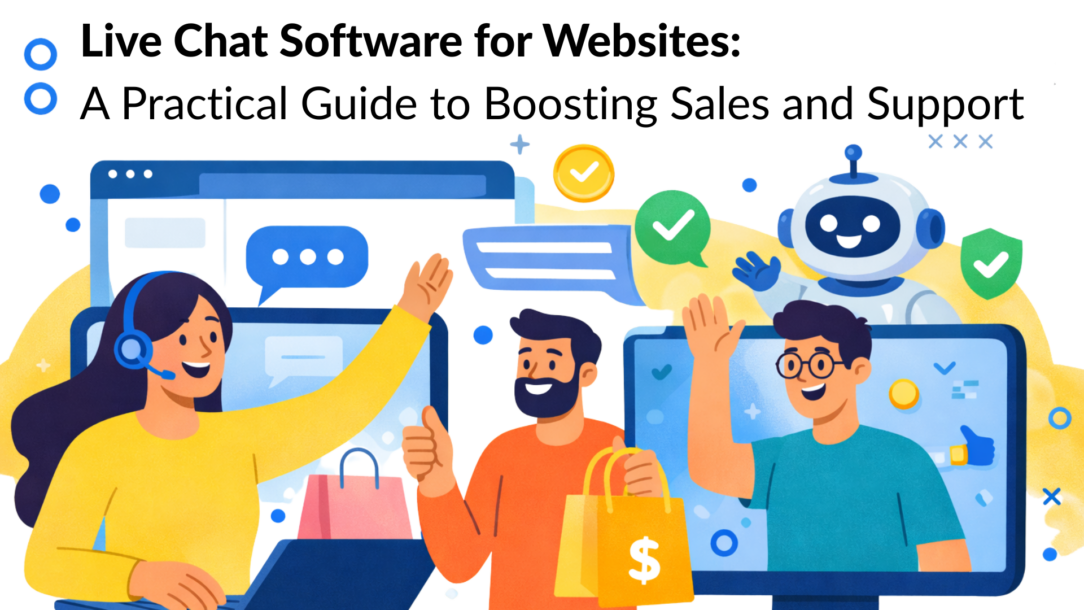
Live chat software isn’t just a fancy button on your website. It’s a powerful tool that adds a real-time messaging window to your site, letting visitors connect with your team instantly. Think of it as a digital concierge, always ready to answer questions, guide users, and turn hesitant browsers into confident buyers.
It’s the simplest way to transform your static website into a dynamic hub for sales and customer support.
What Is Live Chat and Why Does Your Website Need It?
Imagine your website is a physical store. Without live chat, it’s like opening the doors but having no staff on the floor. People wander in, look at your products, and if they have a question? They’re on their own.
Frustrated or confused, they’ll likely just walk out. This isn’t a hypothetical—it happens online every single day, and it’s called a “bounce.”

Live Chat for Websites
Live chat software completely changes this dynamic. It’s like placing a helpful, knowledgeable assistant on every single page of your site.
When a visitor has a question about pricing, a feature, or shipping times, they don’t have to hunt for a contact page or send an email into the void. They click a button and get an immediate, personal answer. This is where chat software for your website comes in play!
This instant connection isn’t a luxury anymore—it’s what customers expect. In fact, a whopping 73% of customers report higher satisfaction with live chat compared to old-school channels like email or phone.
Turn Passive Visitors into Active Customers
The real power of live chat lies in turning a one-way browsing session into a two-way conversation. It allows you to be proactive, not just reactive. You can engage someone at the exact moment they need help, turning potential deal-breakers into sales.
Here’s how this simple tool delivers tangible results:
- Boost Sales and Conversions: By answering last-minute questions, you can guide uncertain buyers right through checkout, slashing cart abandonment and directly lifting revenue.
- Generate More Qualified Leads: Use chat to engage potential clients, understand their needs, and capture their contact info. You turn anonymous traffic into a pipeline of warm leads.
- Improve Customer Loyalty: Fast, personal support makes people feel valued. A great chat experience can easily turn a one-time buyer into a loyal advocate for your brand.
Actionable Insight: Live chat isn’t just a support tool; it’s a growth engine. By being there the moment a customer needs you, you build trust and demolish barriers to purchase.
The Growing Demand for Real-Time Interaction
The market data tells the story. The global live chat software market was valued at USD 1,147.7 million in 2024 and is on track to nearly double by 2033. This explosion is fueled by a simple truth: businesses that don’t offer instant communication get left behind.
Want to dig deeper? Check out our guide on what live chat support is and how it works. With 63% of customers preferring to connect with businesses through chat, not having it is like leaving money on the table.
The Real Business Impact of Instant Conversations
Let’s move past theory and talk about what live chat actually does for your bottom line. We’re not talking about vague benefits. We’re talking about tangible, measurable results that show up in your revenue reports, customer retention stats, and operational budget.
Live chat isn’t another expense—it’s an investment in a more profitable company.
Imagine a potential customer is on your pricing page, frozen with indecision. They’re trying to figure out which plan fits, but they’re confused. Suddenly, a chat window pops up: “Hi there! I can help you pick the perfect plan in under 60 seconds. What’s your main goal?”
That single, perfectly timed message can be the difference between a bounced visitor and a new customer.
This isn’t just a friendly interaction; it’s the core of modern conversational marketing. Instead of forcing people to search for answers, you bring the answers directly to them. Learn more in our deep dive on what is conversational marketing.
Drive More Conversions and Recover Sales
Every online business owner feels the pain of cart abandonment. A customer adds an item to their cart, heads to checkout… and then stops. A last-minute question about shipping or returns grinds the process to a halt.
With live chat, you can set up automated triggers to engage these exact users.
For example, a simple automated message like, “Looks like you’re about to complete your order! Have any last-minute questions?” can salvage a sale that was about to vanish. This direct intervention is incredibly powerful for knocking down final purchase barriers.
Beyond rescue missions, live chat is a fantastic tool to improve e-commerce customer experience by making your entire brand feel more human.
Build Unshakeable Customer Loyalty
When a customer gets instant, easy support, they feel seen and valued. Think about it: they have a problem, reach out via chat, and it’s resolved in two minutes—no hold music, no 24-hour wait for an email reply. That positive feeling sticks.
You haven’t just solved their problem; you’ve saved their time.
This is how you turn a one-time buyer into a lifelong fan. People remember how easy it was to do business with you, making them far more likely to come back and tell their friends.
Real-World Impact: A single positive chat experience can create more long-term loyalty than an expensive ad campaign. It’s the human connection that builds trust.
Dramatically Reduce Support Costs
The impact doesn’t stop at sales; it hits your budget, too. A traditional phone support agent can only handle one customer at a time. It’s a one-to-one ratio, and it’s inefficient.
By contrast, a skilled live chat agent can easily manage three to five conversations simultaneously without a drop in quality.
This multitasking ability means you can serve more customers with a smaller team, drastically lowering your cost-per-interaction. The numbers are compelling: proactive live chat can yield a massive 305% ROI. Businesses often see a 40% uplift in conversion rates and a 48% increase in revenue per chat hour.
Implementing live chat software for websites is a strategic move that pays for itself over and over again.
Unlocking the Most Powerful Live Chat Features
Not all live chat software is created equal. A basic tool lets you talk to visitors, but a powerful platform acts as a command center for your entire customer experience. Knowing which features drive growth is key to choosing a solution, not just another subscription.
Think of it like choosing a car. A basic model gets you from A to B. But a premium model with GPS and cruise control makes the journey faster and easier. The right live chat features do the same for your business.
This diagram breaks down how core features directly impact your bottom line.
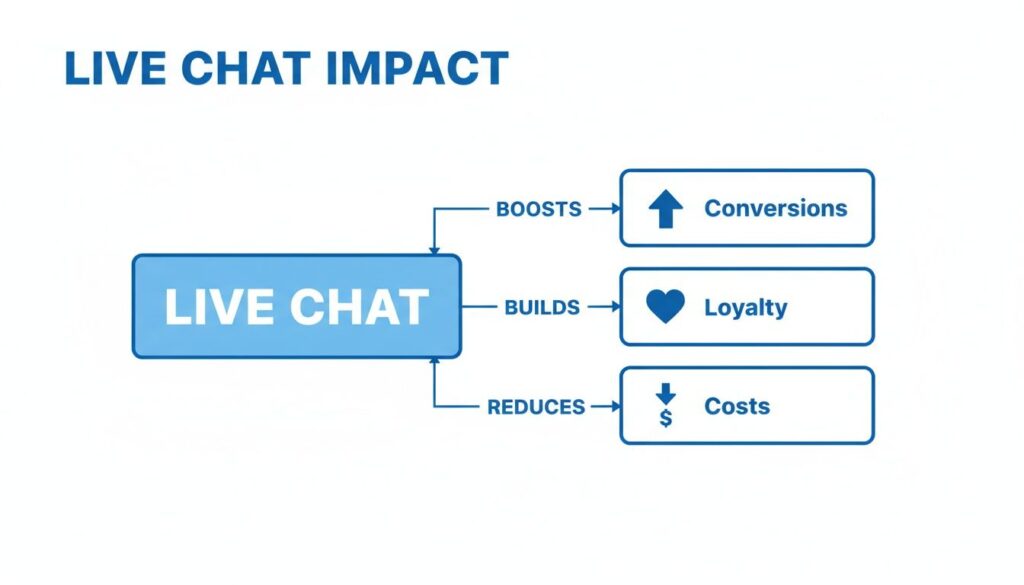
Live Chat Impact
It’s clear: investing in a robust live chat tool is a direct investment in a healthier business.
Intelligent Chat Routing For Faster Resolutions
Intelligent chat routing gets customers to the right person on the first try. It’s the digital version of a great store manager who instantly points a customer asking about electronics to the tech expert, not someone in the clothing department.
Without it, customers get bounced between agents, repeating their issue and getting more frustrated.
With smart routing, you set up rules to automatically send conversations where they need to go:
- Page-Based Routing: A visitor on your pricing page is likely a sales lead. Route them to your sales team. Someone on a “how-to” article? Send them to customer support.
- Keyword Routing: If a customer’s first message includes “refund” or “broken,” the chat is automatically assigned to the right team.
- Pre-Chat Survey Routing: Ask visitors to select a department (e.g., Sales, Support, Billing) before the chat starts, guaranteeing they connect with the right expert immediately.
This one feature dramatically improves first-contact resolution rates and boosts customer satisfaction (CSAT) by eliminating frustrating handoffs.
AI and Automation That Works 24/7
This is where your live chat platform becomes a tireless, 24/7 lead generation and support machine. AI-powered chatbots can handle a huge volume of routine questions without any human involvement.
For instance, a chatbot can instantly answer common questions like “Where is my order?” or “What are your business hours?” This frees up your human agents to focus on complex, high-value conversations.
Actionable Insight: The goal of automation isn’t to replace humans but to empower them. Let bots handle repetitive tasks so your team can focus on building relationships and closing deals.
Modern live chat platforms are also key players in AI for marketing automation. A bot can qualify leads by asking targeted questions, gathering contact info, and even booking a demo on a sales rep’s calendar—all while your team is asleep.
Seamless Integrations With Your Existing Tools
Your live chat software shouldn’t be an island. To be truly efficient, it must connect seamlessly with the other tools you rely on, like your CRM and e-commerce platform. This is non-negotiable.
Without integrations, your team is stuck manually copying and pasting customer data between systems—a tedious and error-prone process.
Here are the most critical integrations to look for:
- Customer Relationship Management (CRM): Automatically sync chat transcripts and lead info to your CRM (like HubSpot or Salesforce) so your sales team has full context for follow-ups.
- E-commerce Platforms: Connect to systems like Shopify or WooCommerce to pull up order history and shipping status right inside the chat window.
- Email Marketing Services: Add new leads captured via chat directly to your email lists in platforms like Mailchimp to nurture them with automated campaigns.
These connections ensure data flows freely, breaking down silos and enabling a more personalized customer journey. Clepher, for example, integrates with over 50 apps natively and thousands more through platforms like Zapier, ensuring it fits perfectly into your existing workflow.
Must-Have Live Chat Feature Breakdown
This table sums up the core features you should look for and the tangible business value each one brings. Think of this as your cheat sheet for evaluating platforms.
| Feature | What It Does | Why You Need It (Business Impact) |
|---|---|---|
| Intelligent Chat Routing | Automatically directs incoming chats to the right agent or department based on pre-set rules. | Faster resolutions, higher customer satisfaction, and reduced agent workload. |
| AI & Automation | Uses chatbots to handle common questions, qualify leads, and provide 24/7 support without human help. | Lower support costs, more leads generated after hours, and frees up your team for complex issues. |
| Seamless Integrations | Connects your chat tool with your CRM, e-commerce platform, and other essential business software. | Creates a unified customer view, eliminates manual data entry, and improves team efficiency. |
| Analytics & Reporting | Tracks key metrics like chat volume, agent response time, and customer satisfaction scores (CSAT). | Provides actionable insights to optimize your support strategy and improve team performance. |
| Omnichannel Support | Unifies conversations from your website, social media, and messaging apps into a single inbox. | Delivers a consistent customer experience and lets you meet customers where they already are. |
| GDPR & Security | Ensures your chat data is handled securely and complies with data privacy regulations like GDPR. | Builds customer trust, avoids costly fines, and protects sensitive information. |
Looking at features this way—through the lens of business impact—helps you move beyond marketing buzz and focus on what will actually move the needle for your company.
How to Choose the Right Live Chat Software
Feeling overwhelmed by all the options? That’s normal. Picking the right live chat software isn’t about finding the one with the most features. It’s about finding a partner that helps you grow. What works for a busy e-commerce shop could be a disaster for a B2B SaaS company.
Let’s cut through the noise with a simple decision-making framework. We’ll walk through how to define your needs, what to look for in a trial, and the critical questions to ask before you sign anything.
Start by Defining Your Primary Goal
Before you even look at a pricing page, answer one simple question: What is the number one job I am hiring this software to do? Your answer is your North Star for every other decision.
Is your main goal to…
- Increase Sales? You’ll need features like proactive chat triggers, e-commerce integrations to see shopping carts, and analytics that track chat-to-conversion rates.
- Improve Customer Support? Your must-haves will be a shared team inbox, help desk software integrations, and canned responses to answer common questions in seconds.
- Generate More Leads? Look for strong chatbot capabilities to qualify leads 24/7, CRM integrations to sync new contacts, and pre-chat forms to capture visitor info.
Actionable Insight: Trying to be everything to everyone leads to choosing a tool that’s mediocre at everything. Pinpoint your primary goal first to focus your evaluation.
Once you know your main objective, build a practical checklist to compare vendors.
Your Evaluation Checklist
Use this checklist to systematically compare platforms. Don’t just tick boxes; think about how well each one fits your business.
- Ease of Use for Your Team: Can your team learn this tool without weeks of training? A clunky interface will kill adoption, no matter how powerful the features.
- Customization and Branding: Can you tweak the colors, logo, and welcome messages to match your website’s vibe? A generic chat widget looks unprofessional. You can learn how to identify a chat widget and see what makes it blend in.
- Scalability: Will this software grow with you? A tool that’s great for one person might fall apart with a team of ten. Look at pricing tiers and features like user roles that support growth.
- Quality of Vendor Support: When you need help, how fast and helpful is their support team? Test this during your free trial. Great vendor support is a sign of a company that values its customers.
Getting the Most from Free Trials and Demos
Free trials are for pressure-testing the software. Don’t just fiddle with settings. Set up one or two key workflows tied to your primary goal and have your team run through them.
When you get on a sales demo, come prepared. Ask specific questions that force the sales rep off their script.
Questions to Ask on a Sales Demo:
- “Can you show me exactly how the integration with [Your CRM/E-commerce Platform] works?”
- “What do your customers in the [Your Industry] industry typically struggle with, and how does your tool solve that?”
- “What does your product roadmap look like for the next six months?”
- “Walk me through your analytics dashboard. How would I use it to measure [Your Primary Goal]?”
Finally, dig into pricing models. Some vendors charge per agent, others by conversation volume. Map out your expected usage to find the true cost and ensure there are no hidden fees.
Putting Live Chat to Work: Practical Industry Playbooks
Theory is one thing; results are what matter. The power of live chat comes alive when you use it to solve real problems in your specific industry. Let’s get into concrete playbooks you can use to generate revenue, qualify leads, and delight customers.
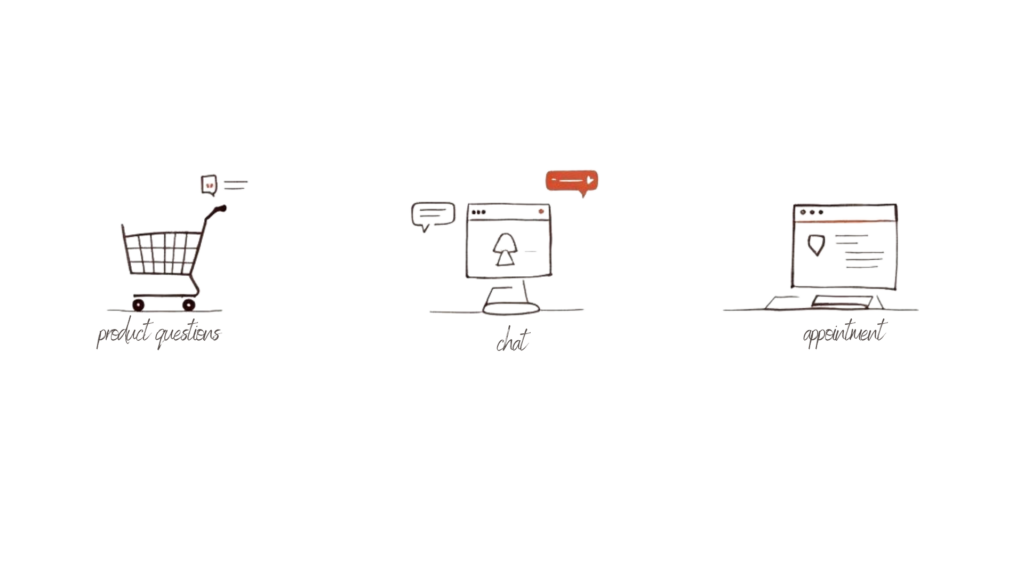
Live Chat for Websites Online Services
This isn’t generic advice. These are targeted strategies with message templates and automation ideas you can implement today.
The E-commerce Playbook for Higher Revenue
For any online store, the two biggest profit leaks are abandoned carts and missed upsell opportunities. Live chat is the perfect tool to plug both holes.
Strategy 1: The Cart Abandonment Savior
When a shopper sits on the checkout page for more than 30 seconds, it’s a red flag. They probably have a last-minute question. This is your chance to step in.
- Trigger: User stays on the checkout page for over 30 seconds with items in their cart.
- Automated Message: “Hey there! Looks like you’re ready to go. Have any quick questions about shipping or returns before you complete your order? I can help!”
- The Goal: Proactively knock down the final barrier to purchase. This one interaction can slash cart abandonment rates and recover lost sales.
Strategy 2: The Smart Upsell Assistant
When a customer adds a product like a new camera to their cart, it’s a perfect window to increase the order value.
- Trigger: A user adds a product from the “Cameras” category to their cart.
- Automated Message: “Great choice on the camera! Just a heads-up, customers who bought this often grab a high-speed memory card. Want me to show you our most popular options?”
- The Goal: Boost your average order value (AOV) by suggesting relevant products at the peak moment of purchase intent.
The SaaS Playbook for Converting Trial Users
For a SaaS business, converting free trial users into paying customers is everything. Live chat acts as an onboarding concierge, guiding users to that “aha!” moment.
Strategy 1: The Onboarding Welcome Mat
A new user’s first few minutes in your app are make-or-break. If they get stuck, they’re gone.
- Trigger: A new user logs into their trial account for the first time.
- Automated Message: “Welcome aboard! To get you started, here’s a 2-minute video showing you how to set up your first project. If you have any questions, just ask me right here.”
- The Goal: Reduce early churn by making onboarding smooth and supportive, helping users see value immediately.
Strategy 2: The Proactive Feature Nudge
As a trial user explores, you can gently steer them toward high-value features that encourage them to upgrade.
- Trigger: A trial user navigates to an advanced feature page but doesn’t take action.
- Automated Message: “I see you’re checking out our reporting features! This is one of our most powerful tools. Would you like a quick walkthrough on how to build your first custom report?”
- The Goal: Lift your trial-to-paid conversion rate by showcasing the full power of your software.
The Playbook for Agencies and Coaches
If you run a service-based business, your main goal is booking appointments with qualified leads. Live chat can be your 24/7 scheduler, capturing interest without manual email back-and-forth.
Real-World Transformation: Live chat transforms your website from a passive brochure into an active lead generation machine that qualifies and schedules prospects automatically.
An automated chatbot can handle initial qualifying questions, ensuring your team only talks to good-fit prospects.
- Trigger: A visitor lands on your “Services” or “Pricing” page.
- Automated Bot Flow:
- Greeting: “Hi there! Interested in learning how our services can help you achieve [specific outcome]?”
- Qualifier: “Great! To make sure we’re a good fit, are you a [Client Type 1] or a [Client Type 2]?”
- Booking: “Perfect, it sounds like we can help. Let’s schedule a brief 15-minute discovery call. Please pick a time from my calendar that works for you.”
- The Goal: Automate lead qualification and appointment scheduling to fill your pipeline with high-intent prospects, even after hours.
So, What’s Your Next Move?
We’ve covered a lot, showing that live chat software is more than a shiny object—it’s a fundamental part of how modern businesses operate. From the basics to practical playbooks, you now have a roadmap.
The main takeaway is simple: conversations create relationships, and relationships build businesses. A website without real-time chat is leaving money on the table. It’s a beautiful storefront with the doors locked.
Actionable Insight: It’s time to stop reading and start doing. The only way to understand the power of live chat is to see it in action on your own site.
Choosing the right tool is the final piece of the puzzle. A platform like Clepher doesn’t just add a chat widget; it provides a complete growth engine. It unifies your website chat, Messenger, and Instagram DMs, using automation to turn visitors into leads and happy customers.
To see how this can transform your business, you need to see it work. We invite you to book a demo with Clepher and let us show you how to turn your static pages into profitable conversations.
Got Questions About Live Chat? We’ve Got Answers.
You’ve seen the potential, but a few questions might still be lingering. Let’s tackle the common ones so you can move forward with confidence.
Conclusion
Choosing the best live chat software can transform how you provide live support and enhance customer engagement. For startups, free options and mobile apps lower the barrier to entry while offering searchable transcripts and proactive chat invitations to boost interactions. Whether you use an AI chatbot for automation or a customizable interface that connects visitors to a live agent, adding live chat provides the instant support necessary to increase conversion.
It is essential to find a solution that fits your customer support team and existing support options. A hybrid setup—combining live chat with chatbots—can offload routine inquiries while dedicated agents handle complex cases, improving the overall service experience. As you evaluate chat performance and message flow, comparing the best live chat apps can guide your decision. Ultimately, the right live chat solution allows you to communicate efficiently, enhance customer interaction, and deliver a reliable experience across all platforms.
Ready to turn your website visitors into loyal customers? Clepher provides the AI-powered tools to automate sales, support, and lead generation across your website, Messenger, and Instagram. Book your personalized demo today and see how easy it is to start building profitable conversations.
Related Posts
Social Media Marketing Automation: Your Ultimate Guide
March 27, 2026Unlock Growth with Conversational AI for Customer Support
March 26, 2026Your Ultimate Guide to Instagram Chat Bots
March 25, 2026
Founder Clepher