
Imagine trying to sell the exact same product, with the exact same pitch, to every single person who walks into your store. It sounds ineffective, right? Yet, many businesses do the digital equivalent every day with generic, one-size-fits-all marketing.
Behavioral segmentation is the strategy that flips this outdated model on its head. Instead of grouping customers by who they are (demographics), it groups them by what they do—the clicks, the purchases, the searches, and the time they spend on your site. It’s about transforming customer actions into your next marketing move.
Beyond Who They Are to What They Do
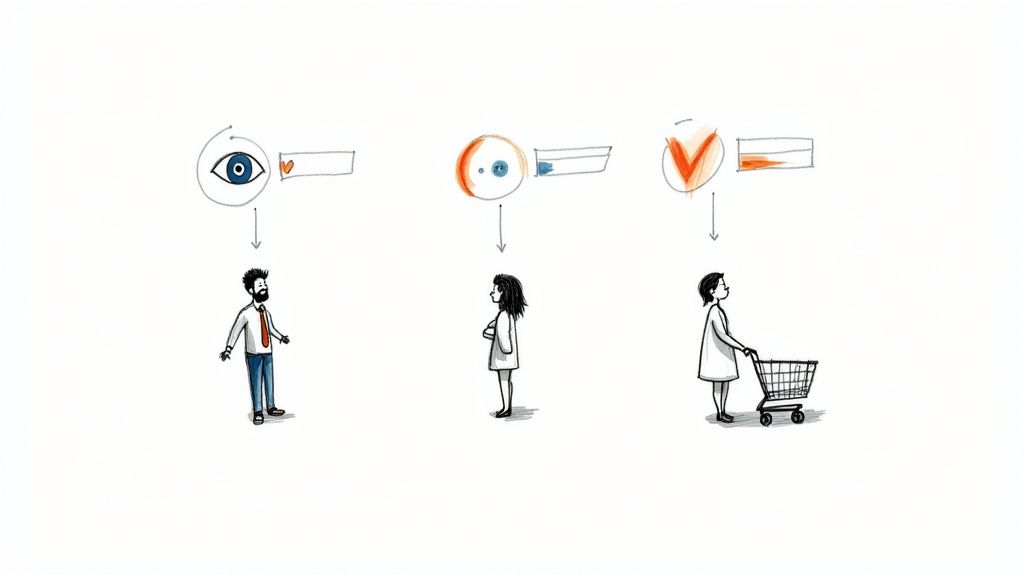
Behavioral Segmentation Customer Journey
Think of it like being a great local shop owner. You wouldn’t just know your regulars by name; you’d remember what they browsed last week, what they almost bought, and what they might be looking for next. That’s the core idea behind behavioral segmentation.
It’s a dynamic way to understand your audience by focusing on their actual interactions with your brand. These actions are powerful clues that reveal their needs, interests, and—most importantly—how close they are to making a purchase.
This moves beyond traditional segmentation. While knowing demographics is useful, behavioral data adds a predictive layer that’s too valuable to ignore. You stop making educated guesses and start making decisions based on what your customers have already shown you they want.
You can get a deeper look into the broader topic in our complete guide to audience segmentation.
How Different Segmentation Methods Compare
So, how does behavioral segmentation stack up against other methods? Each type answers a different question about your customer, but they all work together to give you a complete picture.
Here’s a quick, actionable comparison:
| Segmentation Type | What It Answers | Example Data Points | Primary Goal |
|---|---|---|---|
| Demographic | Who is my customer? | Age, gender, income, location, education | To understand the basic profile of the audience. |
| Psychographic | Why do they buy? | Lifestyle, values, interests, personality traits | To connect with their motivations and beliefs. |
| Geographic | Where is my customer? | Country, city, zip code, climate | To tailor offers based on location-specific needs. |
| Behavioral | What do they do? | Purchase history, website clicks, app usage, loyalty status | To predict future actions and personalize the journey. |
As you can see, each method offers a different lens. Demographics give you the “who,” and psychographics explain the “why,” but behavioral data shows you the “what” and “how.” It’s the most direct indicator of intent you can get.
Key Takeaway: Behavioral segmentation transforms your marketing from a generic ad blast into a helpful, timely recommendation. It’s about meeting people where they are in their journey with a message that resonates with what they’re doing right now.
Ultimately, this focus on action is what makes behavioral segmentation an indispensable tool. It’s the difference between shouting at a crowd and having a meaningful conversation that leads to a conversion.
The Four Core Types of Behavioral Segmentation
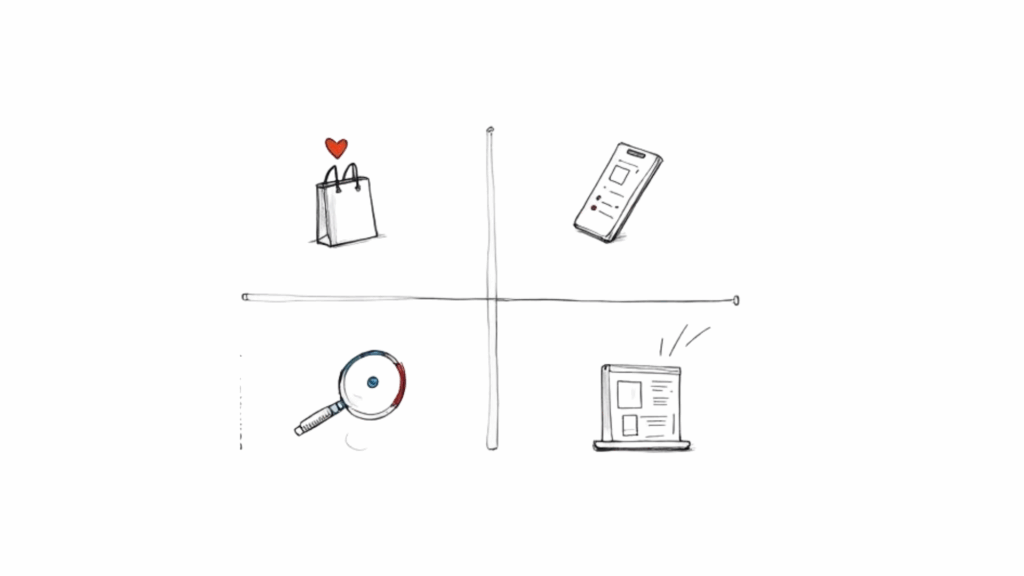
Behavioral Segmentation
So you understand that behavioral segmentation is about grouping customers by their actions—but the real power comes from knowing which actions matter. In marketing, this is one of the most effective types of segmentation because it focuses on observable behavior rather than assumptions. Most successful market segmentation strategies rely on four fundamental behavioral categories.
Think of these categories as different lenses through which you can view your audience. Each one reveals a unique part of their relationship with your brand, allowing you to shape messaging, email marketing, and offers for maximum impact. Let’s break them down with real-world examples and highlight why this approach is so effective.
1. Purchase Behavior
This is the most direct and influential form of behavioral segmentation. It groups customers based on their buying habits—how, when, and what they purchase over time. This makes purchase behavior one of the most important types of segmentation for both e-commerce and subscription brands.
For an online store, this insight is pure gold. You can build highly targeted segments such as:
First-Time Buyers
They’ve made their first purchase, and now the goal is to nurture the relationship.
Actionable Insight: Create an onboarding email marketing sequence with usage tips, followed by a thank-you discount on their next order.
Loyal Repeat Customers
These customers embody customer loyalty segmentation at its best.
Actionable Insight: Skip generic promos and reward them with VIP perks—early product access, exclusive bundles, or loyalty rewards.
High-Value Shoppers
They purchase infrequently but spend significantly.
Actionable Insight: Market premium features, upgrades, and complementary high-ticket items tailored to their interests.
Cart Abandoners
They showed strong intent but didn’t complete checkout.
Actionable Insight: Trigger a follow-up campaign—email or chatbot reminder—with a gentle incentive like free shipping.
Key Benefit: Purchase behavior segmentation boosts conversions, retention, and average order value, making it one of the biggest benefits of behavioral segmentation for revenue growth.
2. Usage Behavior
While purchase behavior tracks what people buy, usage behavior tracks how they interact with your product or service. This is essential for SaaS companies, apps, or subscription brands because it directly predicts engagement, retention, and lifetime value.
If you run a project management app, you might segment users like this:
Power Users
They log in daily and explore advanced features.
Actionable Insight: Invite them to beta-test new tools or feature launches—they’re ideal advocates.
Casual Users
They log in only a few times per month for simple tasks.
Actionable Insight: Use educational content, tutorials, or webinars to help them unlock more value.
Inactive or At-Risk Users
They haven’t logged in for 30+ days and are at high risk of churning.
Actionable Insight: Launch automated win-back flows highlighting new features, offering assistance, or sharing a special incentive.
Key Insight: Usage patterns show whether customers are experiencing meaningful value. Low usage is the earliest warning sign of churn—giving your team a crucial opportunity to intervene.
Why It Matters: This makes behavioral segmentation important for predicting retention and shaping product strategy long before a customer cancels.
3. Benefits Sought
This is where you get into the why behind a purchase. This segmentation groups customers based on the specific value or benefit they’re looking for. People often buy the same product for completely different reasons.
Consider a skincare brand. Everyone is buying face cream, but their motivations vary:
- The Anti-Aging Seeker: They want to reduce wrinkles. Actionable Insight: Market to them using language like “rejuvenation,” spotlight ingredients like retinol, and feature testimonials showing visible results.
- The Acne-Fighting Customer: Their goal is clear skin. Actionable Insight: Your messaging should emphasize ingredients like salicylic acid and use powerful before-and-after photos.
- The Natural & Organic Fan: They care about clean ingredients. Actionable Insight: Your ads should highlight certifications, sustainable sourcing, and natural formulas to build trust.
By understanding the benefits sought, the brand can create separate ad campaigns and landing pages for each segment, ensuring the message always lands perfectly because it speaks directly to the customer’s end goal.
4. Customer Journey Stage
Finally, you should segment users based on where they are in their journey with your brand. A new visitor who just found your blog has completely different needs than someone who has visited your pricing page three times this week. This allows you to deliver the right message at the right time.
Here’s how to tailor your approach for each stage:
- Awareness Stage: New visitors learning about you. Your goal is to educate and build trust, not make a hard sell. Think helpful blog content or guides.
- Consideration Stage: They’re actively evaluating your solution, perhaps comparing features or downloading a case study. Provide social proof and detailed info to help them decide.
- Decision Stage: They’re ready to buy—visiting your pricing page or adding items to their cart. Your communication should be direct, clear, and make it easy to purchase.
Behavioral Segmentation Examples from Leading Brands
Theory is one thing, but seeing how top brands use behavioral segmentation is where the real learning happens. These companies have mastered the art of observing customer actions and transforming them into experiences that feel personal, timely, and incredibly effective. They’re proof of why the four main types of behavioral segmentation are so influential in modern marketing.
Let’s break down how leaders in e-commerce, streaming, and SaaS use segmentation data to build deeper relationships and drive growth.
Amazon: The King of Purchase History
Amazon’s recommendation engine is perhaps the most iconic example of segmentation in marketing. The entire experience is powered by customer actions—what you buy, what you browse, and what you show interest in. This is behavioral segmentation at scale.
Their strategy focuses heavily on two core behavior types:
Purchase History
Every purchase helps Amazon refine a customer’s profile. This is classic customer segmentation, where behavior reveals interests—from clothing preferences to favorite book genres.
Browsing Behavior
What you click on, view but don’t buy, or save to your wishlist are all powerful indicators of intent. Here, segmentation categorizes customers based on subtle signals, not just completed transactions.
By combining these two behaviors, Amazon creates hyper-specific micro-segments in real time. For example:
Buy a new camera → you’re now flagged in a purchase-based segment.
Browse lenses and tripods → these actions move you into a more refined “New Photography Enthusiast” category.
This mix of different types of behavioral segmentation is what triggers the “Frequently bought together” and “Customers who viewed this item also viewed” recommendations.
These personalized suggestions drive up to 35% of Amazon’s revenue—a masterclass in using past actions to predict future needs.
Amazon proves that segmentation doesn’t just organize users—it actively boosts revenue when done correctly.
Netflix: How Usage Data Fuels People with Indulge Watch
Netflix doesn’t rely on what users say they like; it relies on what they do. This is usage-based segmentation at its highest level. The platform’s entire interface is personalized using real-time segmentation data.
Here are the key behaviors Netflix tracks:
Content Watched — the genres, shows, and movies you stream.
Time of Day — when you’re most active.
Completion Rate — whether you finish a series or quit after episode one.
Pauses and Rewinds — moments that capture your attention.
This data allows Netflix to dynamically segment its audience with astonishing precision. Someone who watches mostly true-crime documentaries will see a homepage curated entirely around that interest.
It’s no coincidence that over 80% of what people watch on Netflix comes from its recommendation system.
The big takeaway? Netflix demonstrates how segmentation allows brands to create a self-improving loop: observe usage → refine recommendations → increase engagement. This is why usage behavior is one of the most powerful of the four main types of behavioral segmentation.
Mailchimp: The SaaS Upsell Master
For SaaS companies, behavioral segmentation is key to reducing churn and increasing customer lifetime value. A platform like Mailchimp is a pro at this, segmenting users based on their feature adoption and usage patterns to pinpoint the perfect moment for an offer.
Mailchimp tracks behaviors like:
- Contact List Growth: How quickly a user is adding new subscribers.
- Feature Usage: Are they sticking to basic campaigns or exploring advanced features like automation?
- Approaching Plan Limits: Are they consistently getting close to the contact or send limits of their current tier?
A user who repeatedly hits 95% of their contact limit is a prime candidate for an upgrade. Instead of a generic ad, Mailchimp can trigger a contextual, in-app notification that says something like, “Looks like your audience is growing! Upgrade now to keep the momentum going.”
This approach feels helpful, not pushy, because it’s directly tied to the user’s recent activity. It’s one of many innovative mobile marketing examples that show how timing and context, driven by behavioral data, produce outstanding results.
A Practical Guide to Implementing Behavioral Segmentation
Knowing the theory is one thing. Putting it to work for real results is another. Building a behavioral segmentation strategy is a step-by-step process of turning raw customer data into smart, actionable campaigns that grow your business.
Let’s walk through that process, moving from concepts to a live, results-driven strategy that speaks directly to what your customers do.
Start With Clear Business Goals
Before you touch any data, you have to answer one critical question: What are we trying to achieve? Your business goals are your North Star, guiding every decision you make. Without a clear objective, you’ll just be swimming in data.
Start by defining a specific, measurable outcome. Common goals include:
- Reduce Churn: Identify behaviors of at-risk users (like logging in less often) to launch re-engagement campaigns before they leave.
- Increase Repeat Purchases: Target first-time buyers with a perfectly timed offer to encourage that crucial second purchase.
- Improve Onboarding: Segment new users by which features they’ve adopted (or haven’t) to send targeted tips that help them find value faster.
- Boost Customer Lifetime Value (LTV): Identify loyal customers and reward them with exclusive perks to turn them into brand advocates.
Actionable Insight: Don’t try to solve every problem at once. Pick one primary goal, build a strategy around it, measure the impact, and then expand. Focusing your efforts is the only way to see what’s working.
Identify And Collect The Right Data
With a goal set, it’s time to gather the behavioral data you need. The key is to focus only on actions that directly relate to your objective. It’s tempting to collect everything, but that often leads to analysis paralysis.
Think about the user actions that are the strongest signals of intent for your business. It’s a simple but powerful flow.
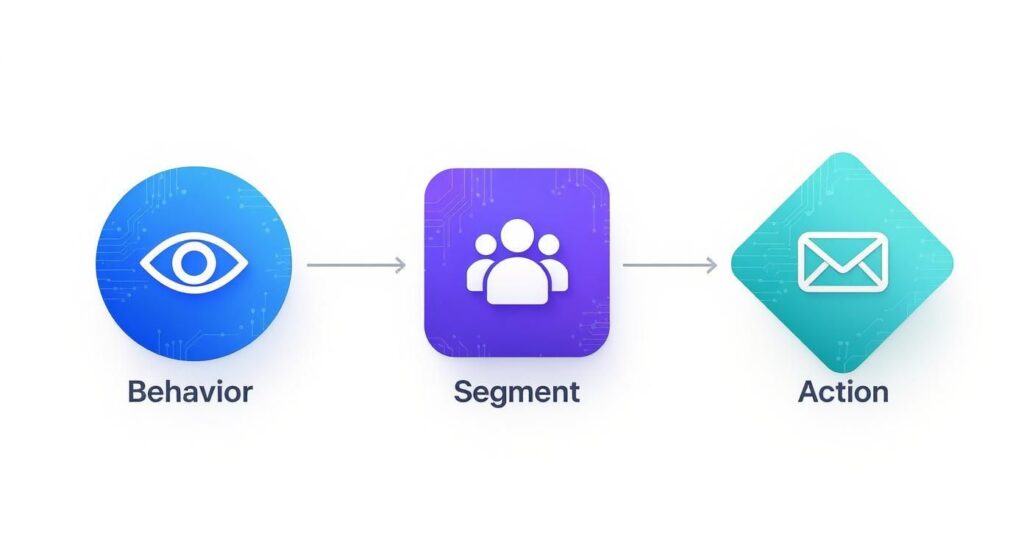
Behavioral Segmentation Action
You observe an action, group the users who perform it, and deliver a relevant message at that exact moment.
To get started, you need to know what to track. This isn’t an exhaustive list, but it’s a solid foundation for most businesses.
Your Behavioral Data Collection Checklist
This checklist covers essential behavioral data points you should start tracking, depending on your business type.
| Business Type | Key Behavioral Data to Track | Example Tool |
|---|---|---|
| E-commerce | Cart abandonment, purchase history, products viewed, category affinity. | Google Analytics 4 |
| SaaS/Subscription | Login frequency, feature usage, plan limits reached, and trial expiration dates. | Your product’s backend |
| Creator/Coach | Content downloads, webinar attendance, email opens/clicks, and course progress. | Your CRM/Email Platform |
| Agency Client | Ad clicks, landing page visits, form submissions, and social media engagement. | Facebook Ads Manager |
Tools like Google Analytics, your CRM, and your e-commerce platform are treasure troves of this information. The trick is to pull it all together to see a complete picture of each user’s journey.
Create Meaningful Segments
With your data in hand, you can finally build your segments. A “meaningful” segment is both identifiable and actionable—a group of people who share a common behavior that you can realistically target with a specific message.
Start simple. Your first segments don’t need to be hyper-complex. Think along these lines:
- “Engaged New Subscribers”: People who signed up in the last 30 days and have opened at least 3 of your emails.
- “Potential Power Users”: SaaS trial users who have already adopted 2+ of your advanced features.
- “High-Intent Shoppers”: E-commerce visitors who viewed a specific product more than 3 times this week but haven’t bought.
The real power here is that these groups are dynamic. A customer might be a “Cart Abandoner” today and a “First-Time Buyer” tomorrow. Your systems need to be smart enough to update these segments automatically as behaviors change.
Build And Launch Targeted Campaigns
This is where the rubber meets the road. For each segment, create a campaign that speaks directly to their behavior. The message, offer, and timing should all be tailored to their specific context.
Take cart abandoners, for example. A generic “Don’t forget!” email is lazy. A better, multi-step approach is:
- Email 1 (1 hour later): A simple, helpful reminder showing the exact items they left behind.
- Email 2 (24 hours later): Address potential hesitation. Highlight product benefits or include customer reviews.
- Email 3 (48 hours later): Offer a small nudge, like free shipping, to get them over the finish line.
A chatbot can be incredibly effective for delivering these messages in real-time. Using a platform like Clepher, you can automate conversations that trigger based on user actions, giving them instant, contextual help. Explore tactics for personalizing promotions with chatbots to make your campaigns hit even harder.
The final step is crucial: analyze your results. Did your campaign reduce cart abandonment? Did your onboarding sequence get more users to adopt key features? Use your original goal as the benchmark for success. Then, repeat the cycle: monitor performance, refine your segments, and test new campaigns.
The Real-World Impact of Smart Segmentation
So we’ve covered the what and how. But the big question is: why bother? The answer is simple: it has a direct, measurable impact on your bottom line. This isn’t a fluffy marketing trend; it’s a core strategy for sustainable growth.
When you group customers by their actions, you stop guessing and start responding to clear signals they’re already sending. This shift connects your marketing spend directly to business outcomes that matter.
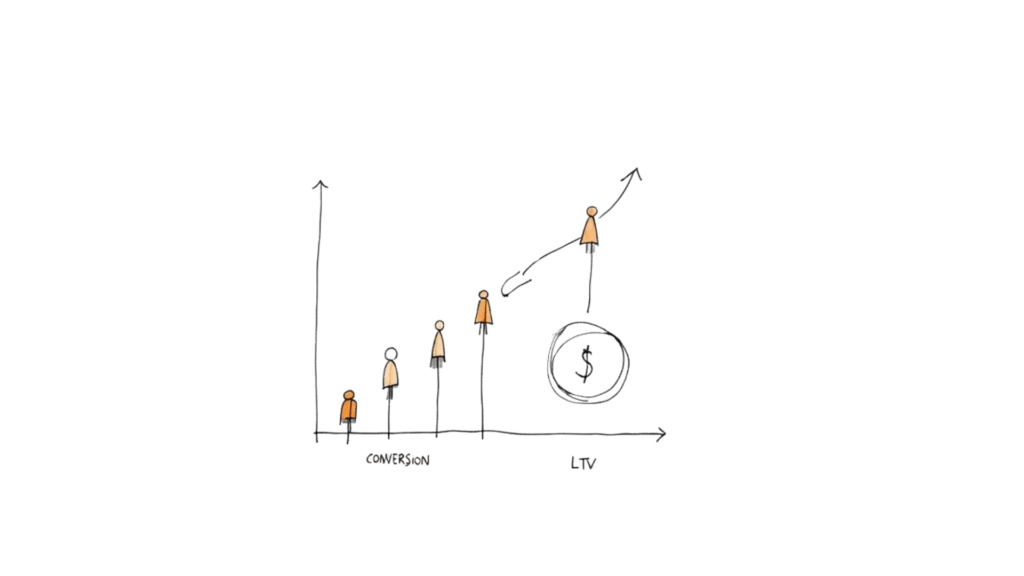
Behavioral Segmentation Value Progression
Drive Higher Conversion Rates
The first result you’ll see is a lift in conversions. When you tailor a message to someone’s specific behavior—like viewing a product three times or abandoning a full cart—you’re delivering something hyper-relevant at the perfect moment. This relevance cuts through the noise. The customer gets a helpful nudge that speaks directly to what they were just doing, making the path to purchase feel natural, not forced.
Dramatically Improve Customer Retention
Getting a new customer is expensive; losing one is even more painful. Behavioral segmentation is your early warning system for churn. By monitoring usage patterns, you can spot “at-risk” users showing signs of slipping away long before they hit the cancel button. This allows you to be proactive. Launch a retention campaign offering support, highlighting a new feature, or sending a small incentive to win them back. By understanding their behavior, you can apply 7 proven tactics to improve customer retention that actually work.
Key Takeaway: Behavioral segmentation flips retention from a reactive scramble into a proactive strategy. You’re not just saving customers; you’re building stronger relationships based on their needs.
Increase Customer Lifetime Value (LTV)
Your best customers are the ones who already know and trust you. Behavioral segmentation helps you pinpoint these high-value groups—like repeat buyers or power users—so you can create targeted upsell and cross-sell opportunities just for them.
- For E-commerce: If someone buys a camera, recommend a compatible lens.
- For SaaS: If a user keeps hitting their plan limits, prompt them with a timely upgrade offer.
These personalized offers feel less like a sales pitch and more like a helpful suggestion, deepening the relationship while increasing how much they spend with you over time.
Optimize Your Entire Marketing Budget
Finally, focusing on behavior stops you from wasting money on audiences that aren’t ready to buy. When you allocate your ad spend to high-intent segments—like people actively researching features or visiting your pricing page—you ensure every dollar works harder. This data-driven approach maximizes your return on every marketing campaign.
The market stats back this up. The global behavior analytics market was valued at USD 1.10 billion in 2024 and is projected to explode to USD 10.80 billion by 2032. That massive growth shows just how crucial these insights are for any business hoping to compete.
Common Mistakes That Can Derail Your Behavioral Segmentation
Putting behavioral segmentation into play is a game-changer, but a few classic blunders can quickly turn your efforts into a complicated mess. The goal is to get clarity and drive action, not drown in data. Let’s walk through the common traps to sidestep.
One of the biggest mistakes is over-segmentation. It’s tempting to slice your audience into dozens of hyper-specific groups, but this often creates a system that’s impossible to manage. If a segment is too small, the effort you put into targeting it will never pay off.
Actionable Advice: Start simple. Begin with three to five broad, high-impact segments that tie directly to your main business goals. Think “First-Time Buyers,” “Repeat Customers,” and “At-Risk Users.” You can always get more granular once you’ve mastered the basics.
Relying on Stale or Incomplete Data
Another killer mistake is basing decisions on outdated information. Customer behavior isn’t static; it shifts constantly. A segment you built six months ago could be useless today, causing you to send the wrong message at the wrong time.
Likewise, acting on a partial picture is a recipe for disaster. If your analytics only see website clicks but miss what’s happening in your app, you’re operating with blinders on. This fragmented view leads to bad assumptions and campaigns that fall flat.
What to do instead:
- Insist on real-time data: Make sure your tools can update segments on the fly as customer actions happen.
- Unify your data sources: Pull everything together. Your website analytics, CRM, and product usage data need to talk to each other.
- Keep your data clean: Regularly scrub your lists to fix errors and remove duplicates. The integrity of your segments depends on it.
Ignoring Data Privacy and Creeping People Out
In the race to personalize, it’s easy to cross the line from helpful to invasive. Using sensitive data without clear consent or being too aggressive with your targeting is the fastest way to destroy customer trust. A user who feels tracked instead of helped is gone for good.
Transparency is non-negotiable. Be clear about what data you collect and how you use it to improve their experience. This builds a relationship on trust, which is worth more than any short-term gain from creepy targeting. Personalization should feel like a helpful concierge, not a private investigator.
Got Questions? We’ve Got Answers
Jumping into behavioral segmentation can bring up a few questions. Let’s clear up the most common ones so you can get started with confidence.
Conclusion
Behavioral segmentation is a powerful approach that groups customers by actions and patterns—such as purchase frequency, engagement, churn risk, and lifecycle stage—enabling more effective personalization and targeted marketing. When combined with demographic, psychographic, and firmographic insights, behavioral data like RFM scores, clickstream activity, transactional data, and user journey mapping create a richer customer view. This fusion supports improved churn prediction, tailored offers, dynamic content, and higher conversion rates while respecting privacy and ensuring data governance. To maximize impact, teams should integrate behavioral segmentation with segmentation testing, A/B experimentation, and analytics pipelines so that personalization, lifecycle orchestration, and customer retention strategies are continuously optimized.
Ready to turn these insights into automated conversations that drive sales? With Clepher, you can easily segment your audience based on their actions and deliver perfectly timed messages on your website, Messenger, and Instagram. Start your free Clepher trial today and see the power of behavioral segmentation in action.

Related Posts
How to Create a Killer Poll Game on Instagram to Boost Engagement and Leads
March 24, 202612 Fresh Social Media Content Ideas That Convert in 2026
March 23, 2026Elevate Your Customer Experience with Conversational AI for Customer Engagement
March 22, 2026
Founder Clepher