
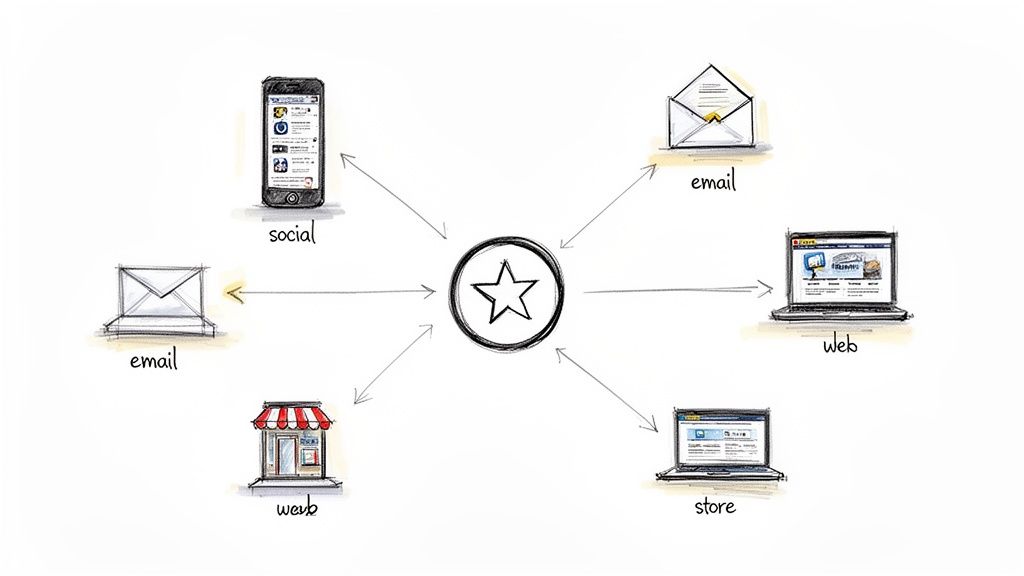
Multichannel marketing is a simple idea: you run a marketing campaign by connecting with customers across multiple different channels instead of relying on just one platform. Your marketing efforts appear where your audience already spends time—such as social media, email, and your website—so visibility increases without over-dependence on a single source. However, unlike a fully cross-channel strategy, each channel typically operates independently, and brands must continuously optimize performance within each platform rather than treating them as one unified system.
Decoding Multichannel Marketing
Multichannel Marketing
Think of it like a musician trying to build a fanbase. Playing gigs at a local coffee shop is one channel, but it only reaches a small crowd. To really grow, they also get their songs on the radio, perform at festivals, and post clips on Instagram.
Each “stage” is a different channel to connect with potential fans. That’s the core of multichannel marketing—showing up wherever your customers already are. Strong multichannel marketing campaigns focus on presence and accessibility, making it easy for people to discover and interact with your brand in different environments.
This strategy isn’t about blasting the exact same message everywhere. It’s about offering multiple entry points for engagement. In a multichannel setup, every platform usually runs on its own goals, metrics, and creative direction. That’s what separates it from cross-channel marketing, where channels are tightly integrated and data flows between them to create one continuous customer journey rather than several parallel ones.
Why This Approach Works So Well
In a multichannel system, every platform is a unique opportunity to connect. Your Instagram account might focus on building a visual brand story, while your email newsletter nurtures subscribers with exclusive deals. Meanwhile, a live chat on your website is there for instant customer support.
This approach gives you the flexibility to tailor your message to the audience and context of each platform. It acknowledges a simple truth: the way someone scrolls through Facebook is completely different from how they browse your website or read an email.
Here’s a practical example for a direct-to-consumer (DTC) brand:
- Instagram Ads: Run highly targeted visual ads to catch the eye of new shoppers.
- Email Marketing: Send a special discount code to its loyal email subscribers.
- Website Chatbot: Use a chatbot on its website to answer product questions instantly.
Each of these actions happens on a separate channel, all working toward the main goal of driving sales and keeping customers engaged. The channels aren’t necessarily “talking” to each other, but they all contribute.
The real power of multichannel marketing lies in its product-centric approach. It keeps the focus on what you’re selling and provides multiple, independent paths for customers to discover and purchase.
This method is especially effective for businesses that need to be smart with their resources. Instead of getting bogged down trying to integrate every single customer touchpoint, you can concentrate on mastering the 2-3 channels that deliver the best results. This focus allows you to build a strong presence and see significant growth without a massive marketing team.
For a deeper dive into the fundamentals, this guide on what is multi-channel marketing is a great resource.
To make it even clearer, here’s a quick breakdown of the core components.
Multichannel Marketing at a Glance
| Component | Description | Practical Example |
|---|---|---|
| Strategy Focus | Product-centric. The goal is to maximize the reach of your product or service across various platforms. | A clothing brand uses its website’s product pages to showcase its new collection. |
| Channel Operation | Channels work in parallel but are independent. The performance of one channel doesn’t directly rely on another. | The same brand runs a Facebook ad campaign to drive traffic to those product pages. |
| Customer Experience | Customers have multiple options to engage, but the experience isn’t necessarily connected between channels. | It also sends an email newsletter about the new collection, separate from the Facebook ad. |
| Primary Goal | To be available on the channels your customers use most, providing them with multiple ways to convert. | The brand offers customer support via a website chatbot for sizing questions. |
This table shows how multichannel marketing creates distinct, effective pathways for customers to connect with your brand, each with a specific purpose.
Multichannel vs. Omnichannel Marketing: What’s the Difference?
It’s easy to mix up multichannel and omnichannel marketing. They both use multiple platforms, right? While that’s true, their core strategies are fundamentally different. Understanding this distinction is key to choosing the right approach for your business.
Marketing Comparison
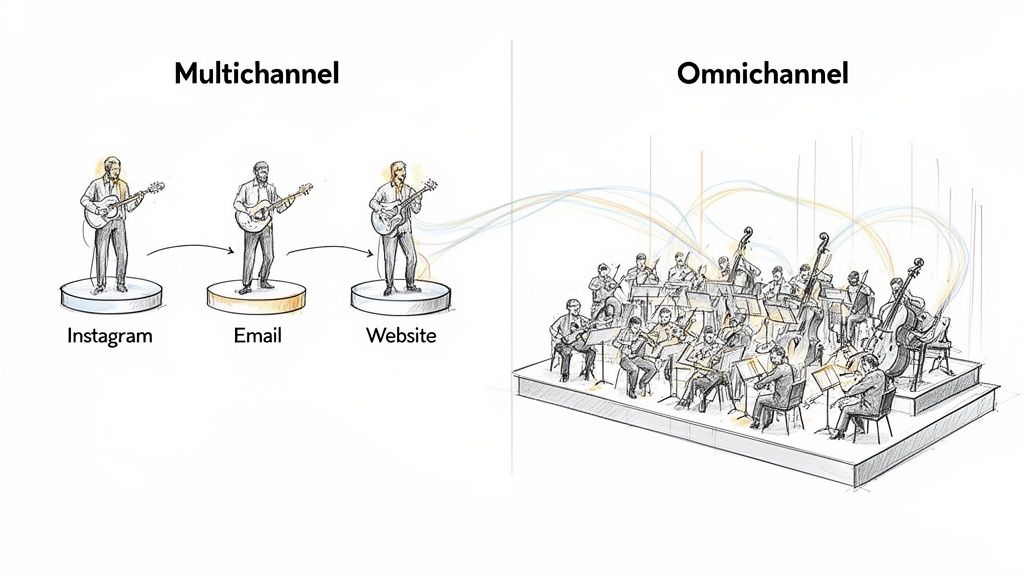
Here’s a simple analogy: multichannel marketing is like a collection of talented solo musicians. You have a great guitarist (your Instagram page), a powerful singer (your email newsletter), and a skilled drummer (your website’s live chat). Each performs effectively on their own stage. They belong to the same band, but they aren’t playing together.
Omnichannel marketing, on the other hand, is the entire orchestra playing in harmony. Every instrument—every channel—is connected and aware of the others. They work together to create a single, seamless symphony for the listener (your customer).
The Core Strategic Difference
The real distinction comes down to focus. Multichannel marketing is product-centric. It’s about making your product available across various independent channels to cast the widest net possible. An e-commerce brand might sell on its website, on Amazon, and through Instagram Shopping. Each channel is a separate storefront.
In contrast, omnichannel marketing is customer-centric. It puts the customer at the center, ensuring their journey is smooth and connected, no matter how they interact with your brand. The channels aren’t just present; they’re integrated.
To understand how this shift from separate channels to a unified journey changes everything, it’s worth exploring the details of a true omnichannel customer experience.
A Practical Scenario: Multichannel vs. Omnichannel
Let’s walk through a real-world example. Imagine a customer named Sarah is interested in new running shoes.
The Multichannel Journey:
- Sarah sees an ad for “SpeedRunner 5000” shoes on her Instagram feed and clicks through to the product page. She likes them but isn’t ready to buy.
- Later that week, she gets a generic email newsletter from the brand about a site-wide 10% off sale.
- The email doesn’t mention the shoes she was looking at. The experience feels disjointed, and the connection is lost.
The Omnichannel Journey:
- Sarah sees the same Instagram ad and clicks through to the product page.
- Before she leaves the site, a chat widget pops up, and an AI assistant offers to answer sizing questions.
- She leaves without buying. The next day, she gets a follow-up message on WhatsApp with a direct link back to her abandoned cart.
- The message includes a friendly reminder and a small, personalized discount on the SpeedRunner 5000s to nudge her to complete the purchase.
In the omnichannel world, every touchpoint is part of a single, continuous conversation. The system knows Sarah’s interests and context, creating a personalized and frictionless path to conversion.
This harmonious approach is what separates a good marketing strategy from a great one. It understands that customers don’t live in channel-specific silos; their journey is fluid, and your marketing should be, too.
The Core Channels of a Winning Multichannel Strategy
Marketing Channels
Picking your channels is like stocking a toolbox. You wouldn’t use a sledgehammer to hang a picture. A winning multichannel strategy isn’t about being everywhere; it’s about being in the right places with the right message.
Focus your energy where your ideal customers actually spend their time. By mastering a few core channels, you can build a powerful presence that gets real results without stretching your team too thin.
Social Media for Discovery and Community
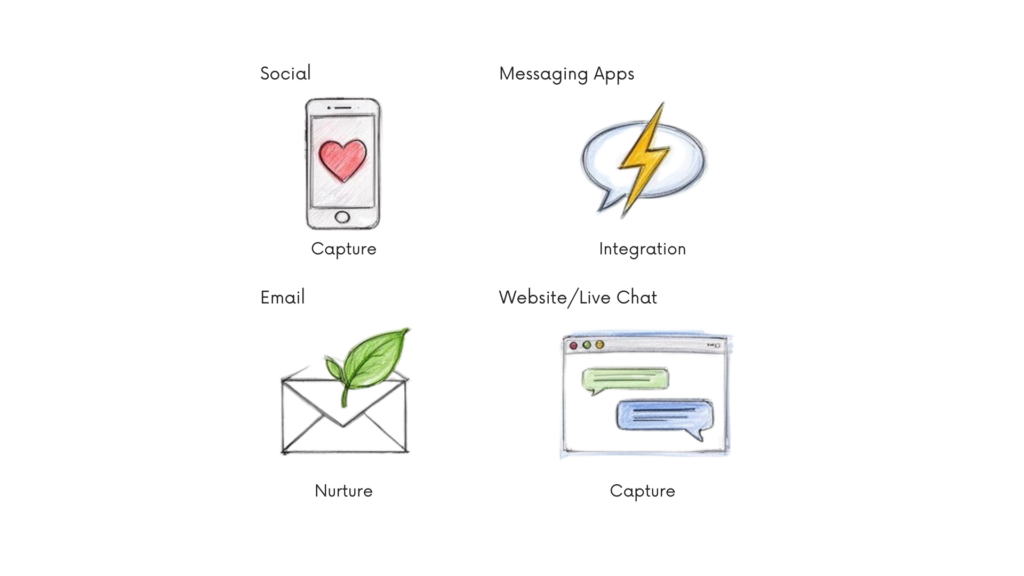
For most brands today, social media platforms like Instagram and Facebook are the first handshake with a new customer. They are powerful engines for visual storytelling, brand building, and creating a community.
Think of it as your digital storefront window. For an e-commerce brand, this is where you can:
- Launch new products with eye-catching visuals and videos that get people talking.
- Run targeted ad campaigns to reach hyper-specific audiences based on their interests and behaviors.
- Engage with your audience through comments, stories, and polls to build a loyal following.
The goal is to create content that stops the scroll and starts a conversation, turning passive viewers into active followers and customers.
Messaging Apps for Instant Connection
Apps like Messenger and WhatsApp offer a direct, personal line that feels immediate and conversational, making them perfect for high-impact marketing and support.
This is where automation shines. A direct-to-consumer brand, for instance, can use an AI chatbot to:
- Answer frequently asked questions 24/7, freeing up your team and giving shoppers instant help.
- Run flash sales with broadcasts that get near-perfect open rates.
- Qualify leads automatically by asking a few simple questions.
By meeting customers in their favorite messaging apps, you create a frictionless experience that boosts engagement and drives conversions. It’s about being helpful and available right where your customers already are.
Here’s a stat that drives this home: campaigns using three or more channels can see up to 494% higher engagement than single-channel efforts. That’s why you see so many brands integrating their websites, social media, email, and messaging apps to build stronger relationships.
Email Marketing for Nurturing Relationships
While new channels grab the headlines, email is still a beast for building long-term customer relationships. It’s a channel you own, giving you a direct line to your audience that isn’t at the mercy of an algorithm.
Email is your go-to for nurturing leads and encouraging repeat business. You can send targeted campaigns like a welcome series for new subscribers, educational content, or exclusive offers for loyal fans. The key is to integrate it with your other channels. For example, capture an email on your website with a chatbot, then automatically add that person to a nurturing sequence. This creates a smooth handoff that keeps the conversation going. Exploring the top multi-channel marketing tools of 2025 can help you find the right software to connect these platforms seamlessly.
Your Website and Live Chat as Your Home Base
All roads should lead back to your website. It’s your digital home base—the one place where you have total control over the brand experience. It’s where you showcase your products, share your story, and turn visitors into customers.
But a static website isn’t enough. An interactive element like a live chat or an AI chatbot acts like a digital sales associate, ready to:
- Greet visitors and proactively offer assistance.
- Capture leads from people who aren’t ready to buy.
- Guide shoppers to the right products based on their needs.
A simple chat widget turns a one-way website into a two-way conversation, closing the gap between browsing and buying by providing the instant support modern shoppers demand.
What Multichannel Marketing Actually Does for Your Business
It’s one thing to talk about multichannel marketing in theory, but what really matters are the tangible results. This isn’t just another buzzword—it’s a reliable engine for business growth. When you show up on the platforms your customers use, you build a foundation for real engagement, higher sales, and lasting loyalty.
Let’s break down the three core benefits businesses see when they expand their presence across the right channels.
Fueling Deeper Customer Engagement
In a crowded market, attention is everything. A multichannel approach helps you grab and hold that attention by creating more chances to interact. Instead of just hoping someone opens your weekly email, you can connect with them through an Instagram story, a helpful chatbot, and a targeted Facebook ad—all in the same week.
This variety keeps your brand top-of-mind. Each channel reinforces the others, creating a stronger overall presence. A customer might find you on social media, learn more on your website, and then sign up for your newsletter. It’s a far richer experience than any single channel could offer.
The numbers don’t lie. Coordinated campaigns across calls, emails, and social media can yield up to 37% more conversions than sticking to a single channel. That’s because 86% of marketers report their multichannel efforts are more effective. You can dig into more of these findings and see how multichannel strategies increase conversions.
Driving Higher Conversion Rates
More touchpoints naturally create more paths to a purchase. A smart multichannel strategy doesn’t just put you in more places; it strategically guides potential customers toward checking out.
Here’s a practical example for an e-commerce brand:
- First Contact: A visitor browses your site. Your AI chatbot answers a question about shipping and offers a 10% discount code in exchange for their email.
- Gentle Nudge: The next day, they see a retargeting ad on Instagram featuring the exact product they were looking at.
- Closing the Loop: A few hours later, an automated email lands in their inbox with the discount code and a direct link to their abandoned cart, making it easy to finish the purchase.
This sequence uses three distinct channels—website chat, social media, and email—to build momentum and move the customer closer to a sale.
By creating multiple, coordinated touchpoints, you remove friction from the buying process. You’re not just hoping the customer remembers you; you are actively and helpfully guiding them back.
Building Stronger Customer Loyalty
The benefits of multichannel marketing don’t stop after the first sale. By being consistently available and helpful across different platforms, you build trust and earn long-term loyalty. When customers know they can get a quick answer on your site’s live chat or via an Instagram DM, they feel more confident in your brand.
This accessibility is the secret to retention. A customer who gets great support on Messenger is far more likely to buy from you again. Someone who loves your content on social media feels like part of your brand’s community. These ongoing interactions turn one-time buyers into repeat customers and brand advocates.
By being a consistent presence on their favorite platforms, your brand becomes a familiar, reliable part of their digital life.
How to Build Your Multichannel Marketing Strategy Step by Step
Building a killer multichannel marketing strategy isn’t about being on every platform. That’s a fast track to burnout. It’s about showing up in the right places, at the right time, with a message that connects.
This roadmap breaks it down into simple, actionable steps. No fluff, just a clear plan to turn your disconnected channels into an engine for growth.
Define Your Ideal Customer and Their Habits
First, you need to know exactly who you’re talking to. Go beyond basic demographics and build a rock-solid ideal customer profile (ICP). What are their biggest challenges? What motivates them to buy?
Most importantly, where do they hang out online? Your own analytics are a goldmine. Dive into your website and social media data to see where your best customers already come from. Do they find you on Instagram, or are they loyal email readers? Getting this right ensures you’re not just throwing money at platforms your audience doesn’t use.
Select the Right Channels for Your Audience
Once you have a clear picture of your customer, picking your channels becomes much easier. Pour your energy into the 2-3 channels where your audience is most active.
- For E-commerce Brands: A classic combo is Instagram for visual discovery, Messenger for instant support and flash sales, and email for nurturing repeat purchases.
- For B2B or SaaS: LinkedIn is a no-brainer for professional content. Pair that with a website chatbot to qualify leads and email to build long-term relationships.
The goal is to meet customers where they already are. As you build out your plan, checking out comprehensive guides on top SaaS marketing strategies can give you a serious edge.
Craft a Consistent Brand Message
Your brand’s personality must shine through on every channel. While the format will change—an Instagram Reel is worlds away from a blog post—the core message and vibe must stay the same.
A customer should recognize your brand whether they see a Facebook ad, open an email, or land on your website. This consistency builds trust and makes your brand memorable in a crowded market.
A consistent brand message isn’t just about your logo. It’s about ensuring your core value and personality are felt in every interaction. You want to create a reliable and familiar experience.
This simple flow chart shows how a well-built process turns casual interactions into loyal fans.
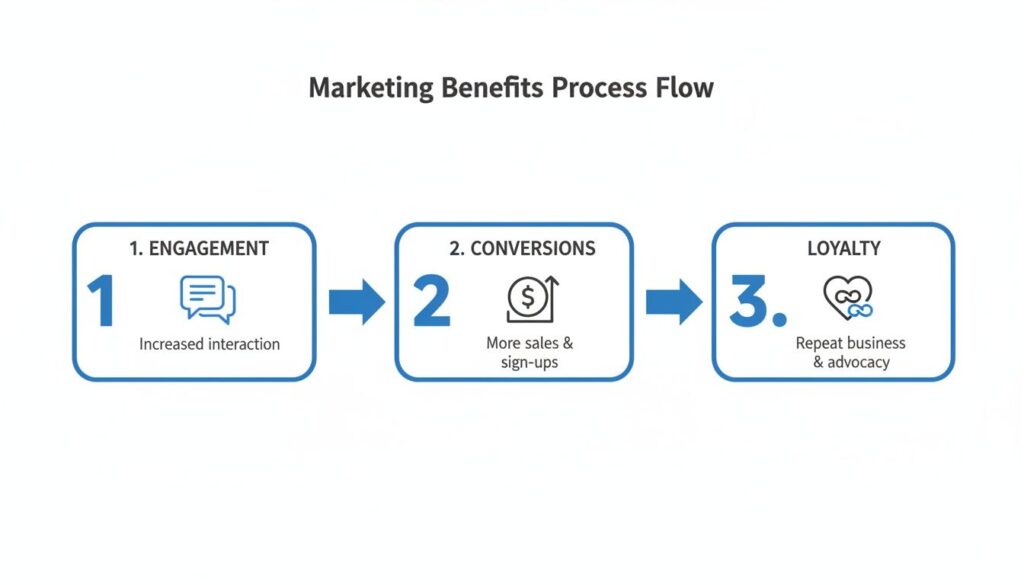
Marketing Process
Each step naturally leads to the next, building from that first point of contact to genuine, long-term loyalty.
Choose the Right Technology to Unify Your Efforts
Trying to manage multiple channels by hand is a nightmare. The right tech is the glue that holds your strategy together. Think of a central hub where you can manage conversations from your website, Messenger, and Instagram DMs in one place.
Tools like Clepher are built for this. They let you automate workflows, segment your audience, and keep your messaging unified without needing a massive team. For example, you could set up an AI-powered flow that handles common questions on your site, then follows up with a personal offer via an Instagram DM. Suddenly, separate touchpoints become a seamless conversation.
You can get more hands-on advice in our complete guide to building a multi-channel marketing strategy. This is the tech that lets you deliver a slick, professional experience at scale, handling the repetitive tasks so you can focus on growth.
What’s Next for Multichannel Marketing? (And How to Get Ready)
Customer engagement is a moving target. The multichannel marketing that works today won’t be enough to win tomorrow. The future is about smarter, more personal, and deeply connected experiences. Preparing for these shifts now will give your business a serious competitive advantage.
The biggest change is the growing role of AI and automation. We’re moving past basic chatbots into an era of hyper-personalized, 24/7 customer assistants. These AI-powered tools won’t just answer questions; they’ll anticipate needs, offer tailored recommendations, and solve complex issues across all your channels.
This means your multichannel strategy needs to get smarter. The goal isn’t just to use AI for efficiency but to create genuinely helpful interactions that make every customer feel understood.
Key Trends Shaping the Future
A few key trends are driving this evolution, all pointing toward a more connected and conversational form of commerce. Staying ahead is crucial.
One of the most powerful shifts is the explosion of social commerce. Customers want to buy directly from platforms like Instagram and Facebook, creating a frictionless path from discovery to checkout. This makes integrated messaging tools essential for guiding shoppers and recovering abandoned carts right inside the chat.
The multichannel marketing market is projected to be worth $11.65 billion in 2025 and jump to $14.66 billion in 2026. This surge is fueled by the demand for integrated ecosystems over siloed channels, especially as social commerce is expected to hit $100 billion in US sales by 2026. Discover more insights on multi-channel marketing strategy at Improvado.
How to Prepare Your Strategy Now
Adapting to these changes requires a forward-thinking approach that puts data and technology front and center. It’s no longer about adding more channels—it’s about making the ones you have work smarter together.
Here are a few actionable steps to get your marketing ready for what’s next:
- Invest in Unified Data: Your customer data can’t live in separate buckets. Use a central platform to pull together insights from your website, social media, and messaging apps. This gives you a complete 360-degree view of the customer journey.
- Embrace Conversational AI: Start integrating sophisticated AI chatbots that can do more than answer FAQs. Use them to run promotions, qualify leads on autopilot, and provide personalized shopping assistance.
- Prioritize Privacy: With growing concerns around data privacy, build your strategy on trust and transparency. Focus on collecting first-party data directly from customers through valuable interactions, like quizzes or personalized offers in chat.
Frequently Asked Questions
Even with a solid plan, a few questions always pop up. Let’s tackle the most common ones to get you moving with confidence.
Ready to build a powerful, automated multichannel marketing strategy? With Clepher, you can manage conversations, run promotions, and support customers across your website, Messenger, and Instagram—all from one place. See how easy it is to grow your business with conversational AI.
Related Posts
Website Facebook Messenger: Setup & AI for Sales in 2026
April 1, 2026How an API Chat Bot Transforms Your Business (And How to Build One)
March 31, 2026
Founder Clepher