

Imagine hiring a brilliant, tireless sales associate who works 24/7 inside your website, Messenger, and Instagram. That’s conversational AI for e-commerce in a nutshell. It flips the lonely, passive experience of online browsing into an active, guided conversation that drives sales and builds loyalty.
What Is Conversational AI in E-commerce?
Conversational AI is the technology that lets your e-commerce brand have automated, human-like conversations with customers across all your digital channels. This isn’t your basic chatbot that just spits out pre-written answers. Instead, think of it as a smart, digital personal shopper.
This AI-powered assistant doesn’t just wait for a customer to ask a question. It proactively engages them, works to understand their needs, and guides them straight to the perfect product—all in real-time. It’s the difference between a static, silent product page and having a helpful expert right there by your side. For a great example, see how an AI personal stylist transforms the shopping experience.
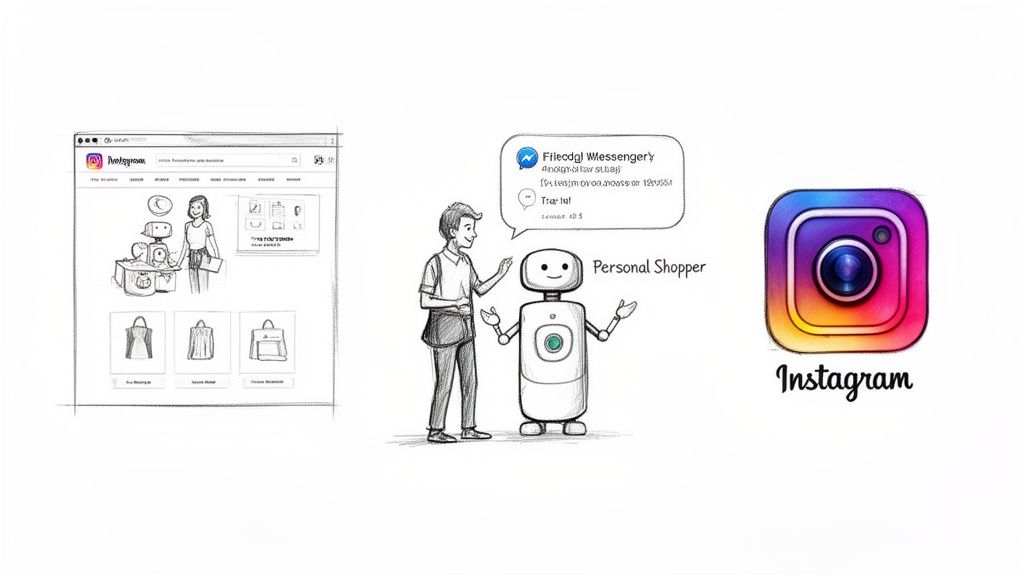
conversational-ai-for-e-commerce-ai-e-commerce
From Passive Browsing to Active Selling
Traditional e-commerce is often a one-way street. Customers browse products, read descriptions, and hope they find what they need. If they have a question, they’re left to hunt for a contact form or wait hours for an email response. By then, the buying impulse is long gone.
Conversational AI flips this model on its head. It turns your website, Facebook Page, or Instagram profile into a dynamic, two-way sales channel. Powered by generative AI, natural language processing, and machine learning, these AI chatbots provide instant, personalized interactions, acting as your first line of engagement before involving a human agent.
It becomes a powerful engine for:
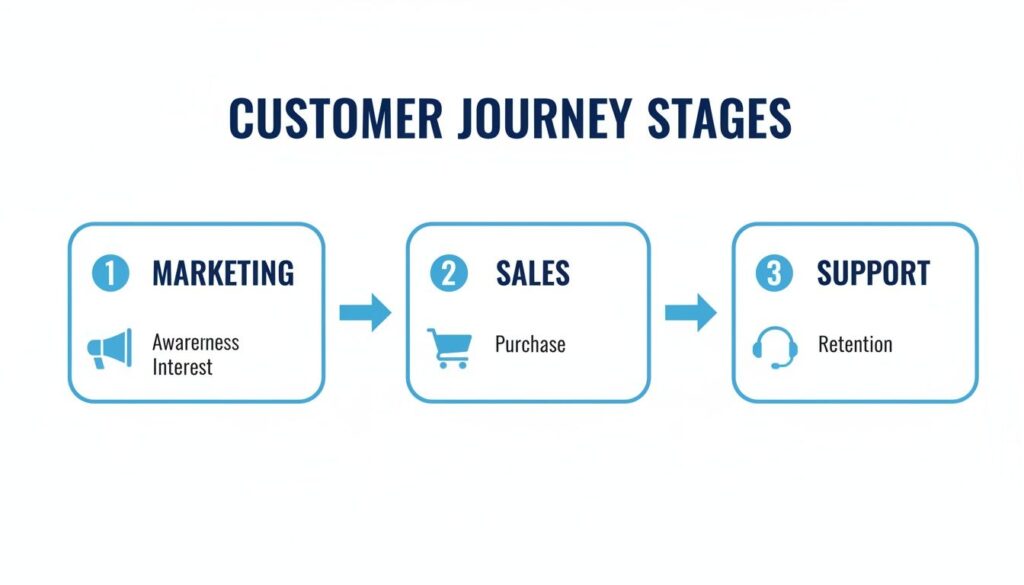
- Marketing: Capturing leads with interactive quizzes and delivering personalized recommendations.
- Sales: Guiding customers through product discovery, intelligently recovering abandoned carts, and answering purchase queries.
- Support: Providing instant answers to questions about shipping, returns, and order status.
This shift moves your brand from a silent, digital storefront to an active participant in the customer journey.
The Takeaway: The goal is to close the gap between browsing and buying. By offering instant, personalized assistance the moment a customer needs it, you eliminate friction, increase confidence, and drive more conversions. This highlights the benefits of conversational AI in modern ecommerce, making every interaction more effective and meaningful
A New Way to Build Customer Relationships
Beyond just answering questions, conversational AI is about building real relationships—at scale. It remembers past interactions, understands customer preferences, and delivers a consistent, personalized experience every single time. This is a massive leap from the cold, impersonal nature of most online shopping. For a deeper dive, check out our complete guide on what conversational AI is and how it works.
To see the difference, compare the old way with the new.
Traditional vs. Conversational E-commerce
| Aspect | Traditional E-commerce | Conversational AI E-commerce |
|---|---|---|
| Customer Interaction | Passive browsing & self-service | Proactive, guided conversations |
| Personalization | Generic, based on cookies | Hyper-personalized, based on real-time chat |
| Support Speed | Delayed (email, contact forms) | Instant, 24/7 responses |
| Sales Process | One-way product display | Two-way consultative selling |
| Cart Recovery | Relies on delayed email reminders | Immediate, in-chat follow-ups & offers |
As you can see, the two approaches are worlds apart. One is passive and reactive; the other is proactive and personal.
Ultimately, implementing conversational AI for e-commerce is about meeting modern customer expectations for speed, convenience, and personalization. It’s about turning every interaction into an opportunity for growth.
Why Adopting Conversational AI Is No Longer Optional
In e-commerce, it’s easy to think the best product wins. But that’s not the whole story. The real winner is the brand that delivers the best experience. This is where conversational AI comes in. It’s not some futuristic trend on the horizon—it’s happening right now, and brands that ignore it are getting left behind.
Customer expectations have shifted. They want instant, smart, and personal service. Research on how Artificial Intelligence impacts B2C marketing shows that customers expect—and reward—brands that engage them immediately.
The Market Is Sending a Clear Signal
The numbers paint a clear picture of where e-commerce is headed. The conversational AI market is projected to explode from $17.97 billion in 2026 to a massive $82.46 billion by 2034.
That’s a blistering 21% CAGR, with retail and e-commerce already accounting for 21.2% of the global market. You can dig into these market projections on Fortune Business Insights.
What this means for you: Your competitors are already making their move. Ignoring this shift is like ignoring mobile shopping ten years ago—a mistake that will put you at a serious disadvantage.
The Takeaway: The question isn’t if you should adopt conversational AI anymore. It’s how fast can you get it working for you? The market has already decided, and early movers are reaping the rewards.
This isn’t just about cool tech; it’s a fundamental change in how people shop. They’re done waiting for email replies or digging through confusing FAQs. They want answers now, right where they are—on your website, in Messenger, or on Instagram.
The Real Cost of Inaction
Falling behind isn’t just about missing a trend. It hits your bottom line hard. Every customer who abandons their cart because they couldn’t get a quick answer on sizing is a lost sale.
Think about these common scenarios where a lack of instant support costs you money:
- Higher Cart Abandonment: Unanswered questions about shipping or returns create doubt. Doubt kills sales.
- Lower Customer Lifetime Value (LTV): A slow, impersonal experience gives customers no reason to return, eroding loyalty.
- Increased Support Costs: Your team spends hours answering the same basic questions over and over, driving up costs and leading to burnout.
- Missed Upsell Opportunities: Without an engaged “sales associate,” you’re missing countless chances to suggest complementary products or better bundles.
In contrast, brands using conversational AI for e-commerce turn these liabilities into assets. A platform like Clepher transforms your social channels and website into automated revenue drivers. It proactively engages shoppers, solves problems instantly, and guides them toward a purchase.
It’s a direct path to boosting ROI, solidifying loyalty, and building a more profitable business.
The #1 Result: A 4X Conversion Rate Lift
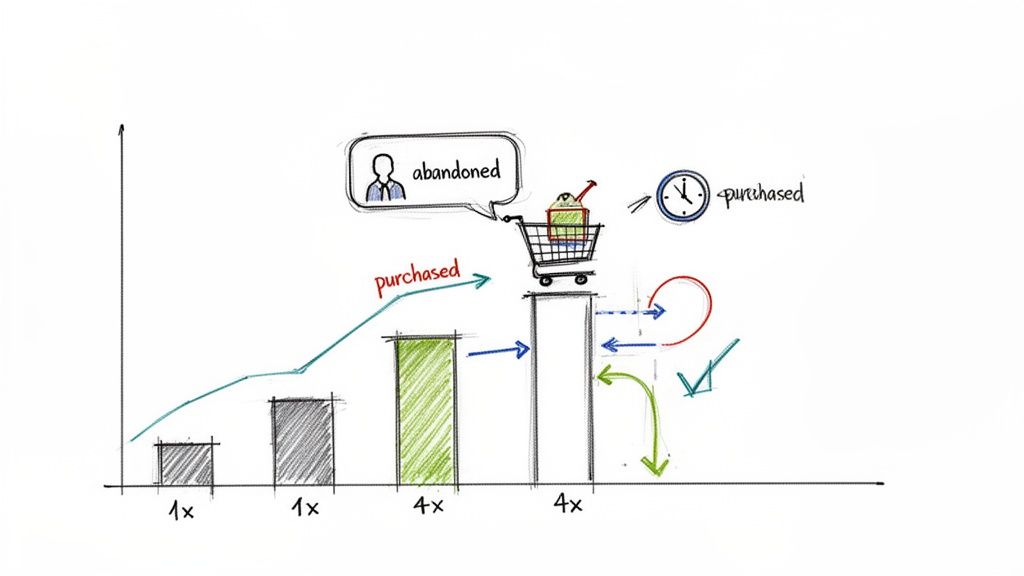
Let’s get straight to the point: the single most important result you’ll see from conversational AI is a massive lift in conversions. I’m not talking about a small tweak—this is a serious performance boost. The data shows these automated chats are a direct line to revenue growth.
Your average e-commerce site is lucky to hit a 3% conversion rate. But shoppers who engage with an AI-powered chat? That number skyrockets. Recent data shows shoppers who interact with conversational AI convert at an incredible 12.3%—a 4X boost in sales. Furthermore, 79% of brands report direct sales increases from these chats, and returning customers who use AI help spend 25% more per order. You can dig into more of these powerful conversational commerce trends from Gorgias to see the full picture.
conversational-ai-for-e-commerce-e-commerce-conversion
How Does Chat Deliver a 4X Conversion Lift?
How can a simple chat window have such a huge impact? It’s all about turning a passive browser into an active, guided buyer. Think of AI solutions as your digital sales associate, smoothing over friction points that cause hesitation and cart abandonment.
The magic happens in a few key moments:
- Instant Product Answers: A customer is eyeing a new pair of running shoes but wonders, “Are these good for wide feet?” Instead of leaving to search an FAQ page (and likely getting distracted), the conversational interface provides an immediate response to customer questions, keeping the buying momentum alive.
- Proactive Recommendations: The AI spots a shopper comparing two cameras. It can pop up and say, “I see you’re comparing the Alpha X1 and the ProShot Z2. The X1 is excellent for low-light video, but the Z2’s battery life is impressive. What are you planning to shoot?” This example of conversational AI solutions demonstrates how intelligent guidance enhances customer engagement.
- Overcoming Last-Minute Objections: A customer pauses at checkout. The AI triggers a message: “Any questions about our return policy? Just so you know, we offer free returns for 30 days, no questions asked.” That nudge can be the difference between a sale and a lost cart, fostering customer loyalty.
Whether through chat windows or voice assistants, conversational AI in ecommerce provides timely, personalized support that guides shoppers seamlessly from browsing to purchase. Effective AI implementation ensures every interaction builds confidence, drives conversions, and strengthens your brand.
From Abandoned Cart to Saved Sale: A Real-World Example
Let’s walk through a classic scenario.
Imagine Sarah has a $150 skincare set in her cart. She gets to checkout but stops, worried it won’t arrive in time for her friend’s birthday. She hesitates, thinking she’ll look somewhere else.
This is the exact moment where 70% of sales die. But with conversational AI, the story has a different ending:
- The Trigger: The AI detects that Sarah has been idle on the checkout page for 60 seconds.
- The Proactive Nudge: A chat window appears. “Hi there! Saw you’re about to complete your order. Have any questions about shipping?”
- The Interaction: Sarah types, “When will this get to me in New York?”
- The Instant Solution: The AI, connected to your shipping system, replies instantly: “For orders to New York, standard shipping is 3-5 business days. You can also grab express shipping for guaranteed 2-day delivery.”
- The Conversion: Confidence restored. Sarah selects express shipping and completes her purchase. Sale saved.
This entire exchange is automated, instant, and ridiculously effective.
The Takeaway: The real job of conversational AI in sales is to solve the problems that create hesitation before they kill the sale. By being helpful in those critical moments, the AI doesn’t just assist—it actively converts.
When you add an AI chatbot for e-commerce, you’re cloning your best salesperson and putting them on every page of your site, 24/7. This isn’t just better customer service; it’s a direct strategy for multiplying your revenue.
Actionable Use Cases for Marketing, Sales, and Support
Theory is great, but results come from action. Here’s your playbook for putting conversational AI to work across the three pillars of your e-commerce business: Marketing, Sales, and Support.
By weaving AI into each area, you create a single, intelligent journey that guides shoppers from their first visit to becoming loyal, repeat customers.
conversational-ai-for-e-commerce-customer-journey
Marketing Use Cases That Build Your Audience
Before you can sell anything, you have to get people’s attention. Conversational AI turns passive ad views and website visits into active conversations that capture high-intent leads.
- Lead-Gen Quizzes: Instead of a generic “Sign up for our newsletter” pop-up, trigger an AI chat on a product category page. Example: “Looking for the perfect gift? I can help you find it in 30 seconds.” This kicks off a short, fun quiz that recommends a product and captures an email for a discount.
- Interactive Giveaways: Run a giveaway on Instagram or Facebook. Instead of “comment to win,” have people DM a keyword. The AI chatbot takes over, confirming their entry, collecting their email, and even offering a “sorry you didn’t win” discount code at the end. Your giveaway just became a powerful list-building machine.
- VIP Product Drops: Build hype for a new launch by creating a waitlist in chat. The AI can tease features, collect sign-ups, and automatically notify everyone the moment the product goes live, driving a huge surge in day-one sales.
These marketing plays work because they are interactive, personal, and meet customers on the platforms they use daily.
Sales Use Cases That Drive Conversions
Once you have a shopper’s attention, the next job is to close the deal. This is where conversational AI acts as a personal shopper and expert sales clerk rolled into one.
The Takeaway: A core sales function of conversational AI is to become a “doubt destroyer.” It proactively finds and fixes the small uncertainties about shipping, sizing, or features that cause 70% of shoppers to abandon their carts.
Here are two killer sales applications:
- Guided Selling: A customer looking for skincare is greeted by an AI assistant that asks about their skin type and goals. Based on their answers, the AI recommends a specific routine and adds the products directly to their cart. This feels like a helpful consultation, not a hard sell.
- Intelligent Cart Recovery: Standard reminder emails are slow. A conversational approach is far more effective. The AI knows the moment a user leaves checkout and can send a message on Messenger or WhatsApp within minutes: “Hey, looks like you left something behind. Any questions about shipping?” It can then solve their problem or even offer a small discount to seal the deal.
This immediate follow-up recovers sales that would have been lost for good, directly boosting your revenue.
Support Use Cases That Build Loyalty
Great support turns one-time buyers into customers for life. Conversational AI automates the repetitive parts of customer service, freeing up your human team while ensuring every customer gets an instant response.
The most impactful use case is automating responses to frequently asked questions (FAQs). A well-trained AI can instantly handle 40-80% of all incoming support tickets.
- “Where is my order?” (WISMO): By connecting to your e-commerce platform (like Shopify or WooCommerce), the AI can give real-time order status and tracking info right in the chat.
- Return Policy Questions: The AI can explain the policy clearly and even walk the customer through starting a return within the conversation.
- Shipping Information: The AI can quickly confirm shipping destinations and costs.
This 24/7 self-service slashes ticket volumes and crushes customer wait times. But smart support also knows when to ask for help. A critical feature is intelligent escalation. The AI is trained to detect when a problem is too complex or a customer is getting frustrated, then seamlessly passes the conversation to a live agent.
Your Step-by-Step Implementation Guide
Jumping into conversational AI for e-commerce doesn’t have to be a massive project. With a clear, step-by-step approach, you can launch an AI assistant that drives value in days, not months.
The secret? Start small. Pick one clear problem to solve, nail it, and then build on that success. Modern tools are built for marketers, not developers, so you can focus on designing great conversations instead of getting lost in code.
Phase 1: Define Your Primary Goal
Before building anything, decide what you want the AI to achieve. A fuzzy goal like “improve customer experience” is too broad. Anchor your objective to a specific, tangible business outcome.
The Takeaway: Don’t try to boil the ocean. Pick one high-impact problem to solve first. Success here builds momentum and makes the case for expanding later.
Actionable Examples:
- Goal: Reduce support tickets. Metric: Cut “Where is my order?” questions by 30% in the first month.
- Goal: Increase lead capture. Metric: Capture 15% more leads from your blog using an AI quiz.
- Goal: Recover abandoned carts. Metric: Recover 10% of abandoned carts using automated Messenger follow-ups.
A specific target makes it easy to measure success.
Phase 2: Choose Your Channel and First Use Case
With your goal set, decide where your AI will live. Don’t try to be everywhere at once. Start with the one or two channels where your customers are most active.
- Your Website: Best for guiding product discovery and pre-sale questions.
- Facebook Messenger: Ideal for promotions and abandoned cart recovery.
- Instagram DMs: Great for community engagement and product drops.
- WhatsApp: Excellent for order updates and post-purchase support.
Once you’ve picked a channel, choose a simple but valuable conversation to build first. A “welcome bot” that greets new visitors or an “FAQ bot” handling your top 3 questions are fantastic starting points.
Phase 3: Design Your Conversational Flow
This is where your AI comes to life. Using a no-code builder like Clepher, you can map out your conversation with a simple drag-and-drop interface. Think of it like drawing a flowchart for a chat.
For a deep dive, our guide on how to create AI agents breaks down the entire process.
Keep your first flow simple. For a basic FAQ bot, it might look like this:
- Greeting: A warm, on-brand welcome.
- Menu: Offer clear options like “Track My Order,” “Our Return Policy,” or “Talk to a Human.”
- Action: Based on their choice, deliver the information or escalate to a live agent.
Different AI conversations can be designed to meet specific needs at each stage of the customer journey, creating a helpful and cohesive experience.
Phase 4: Integrate, Test, and Launch
Finally, connect your AI to your e-commerce tools. An integration with a platform like Shopify allows the AI to pull real-time data—like order status or customer history—which makes its responses incredibly powerful.
Before going live, test your flow thoroughly. Have your team interact with it and try to break it.
Once you’re confident, launch it on your chosen channel and start watching the real-world data roll in. This “start small, scale smart” approach means your first launch is just the beginning. You’ll use the insights to refine and expand your AI’s capabilities over time.
Frequently Asked Questions
Jumping into a new technology like conversational AI for e-commerce comes with questions. You’re probably wondering about the impact on your brand, the technical lift, and how to measure if it’s working. Here are the straight-up answers.
Ready to turn conversations into conversions? With Clepher, you can deploy AI-powered chatbots on your website, Messenger, and Instagram to automate sales, marketing, and support. Start building your first AI agent today and see the results for yourself.

Related Posts
Customer Experience Optimization Playbook
October 8, 2026Automated Checkout Bot: Build and Launch Guide
October 7, 2026AI Agent Framework: Architecture, Tools, and Use Cases
October 6, 2026
Founder Clepher